Documenting Hail Damage on Blaine Commercial Roofs
When hail strikes your Blaine commercial property, proper documentation becomes the foundation of your insurance claim and restoration process. The difference between a successful claim and a denied one often lies in the quality and thoroughness of your damage assessment records. Insurance carriers in Anoka County have specific expectations for commercial hail damage documentation that go far beyond simple photographs.
Essential Photo Documentation Protocols
Your photo documentation must follow a systematic approach that captures both overview and detail perspectives. Begin with wide-angle shots showing the entire roof system from multiple angles, including any visible damage patterns. These establishing shots help insurance adjusters understand the scope and distribution of hail impacts across your commercial roof surface.
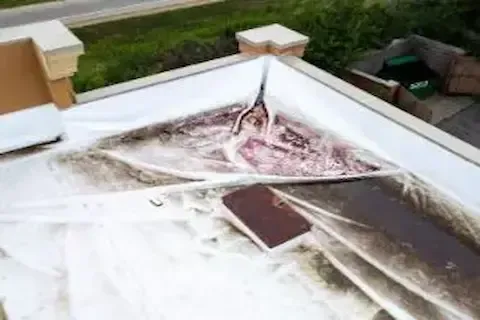
Close-up photography requires specific techniques for different roofing materials. On membrane systems, photograph punctures, tears, and granule displacement with a measuring device in frame for scale reference. For metal roofing, capture dents and creases with proper lighting to show the three-dimensional nature of the damage. Each photograph should include timestamp and GPS coordinates when possible.
Take photos of interior damage that correlates with roof impacts, including water stains, ceiling damage, and any equipment affected by water intrusion. Document the condition of HVAC units, skylights, and other roof-mounted equipment that may have sustained hail damage during the same weather event.
Creating Comprehensive Impact Maps
Impact mapping provides insurance adjusters with a visual representation of hail damage distribution across your commercial roof system. Start with a scaled roof plan showing dimensions, equipment locations, and structural features. Mark each confirmed hail impact with consistent symbols that indicate damage severity and type.
Use different markers for various impact classifications: punctures through the membrane, granule displacement on modified bitumen systems, dents in metal components, and damage to roof accessories. Include a legend that explains your marking system and provides impact density calculations for different roof sections.
Your impact map should correlate with photographic documentation, referencing specific photo numbers for major damage areas. This cross-referencing system helps adjusters navigate between your written documentation and visual evidence efficiently.
Core Sample Collection and Analysis
Core samples provide definitive proof of hail damage penetration through roofing systems. When collecting samples, select areas that show visible surface damage and cut clean, circular samples that extend through all roofing layers to the deck substrate. Preserve samples in labeled containers with detailed location information.
Document the sampling process with photographs showing the sample location before removal, during extraction, and the resulting core sample itself. Include measurements of penetration depth and any moisture intrusion evidence found within the roofing assembly layers.
Professional analysis of core samples can reveal impact energy levels and help establish correlation between visible surface damage and underlying structural compromise. This scientific approach strengthens your documentation package significantly when presenting evidence to insurance carriers.
Laboratory Testing Requirements
Some insurance carriers may request laboratory analysis of core samples to verify hail damage claims. Work with certified testing facilities that can provide detailed reports on impact patterns, material degradation, and moisture intrusion evidence within your roofing samples.
Weather Correlation and Timing Documentation
Establish clear connections between documented damage and specific weather events affecting the Blaine area. Obtain official weather reports from the National Weather Service showing hail size, storm timing, and wind speed data for your property location. This meteorological evidence supports your damage timeline and helps eliminate questions about pre-existing conditions.
Security camera footage, if available, can provide valuable documentation of the actual hail event and its intensity at your property location. Time-stamped video evidence showing hail impacts in real-time strengthens your documentation significantly.
Collect witness statements from property managers, tenants, or maintenance staff who observed the storm and its immediate aftermath. These firsthand accounts add credibility to your damage claims and provide additional perspective on the severity of the weather event affecting your commercial property in Anoka County.
Insurance Adjuster Preparation Strategies
Organize your documentation package before the adjuster inspection to maximize efficiency and professionalism. Create a master folder containing all photographs, impact maps, core sample documentation, weather reports, and witness statements arranged in logical order.
Prepare a written summary document that provides an overview of damage findings, correlates evidence with specific roof areas, and highlights the most significant impact zones. This executive summary helps adjusters quickly understand the scope of damage and navigate your supporting documentation.
Schedule the inspection during optimal lighting conditions and have safety equipment available for roof access. Accompany the adjuster during their assessment to answer questions and point out specific damage areas that might be missed during a routine inspection. Documentation is step two of four; our walkthrough of how to file a commercial storm claim in Anoka County covers the notification and adjuster deadlines around it.
Professional Documentation Services
Consider engaging professional storm damage assessment services that specialize in commercial roofing documentation. These experts understand insurance carrier expectations and can provide detailed reports that meet industry standards for hail damage claims in the Blaine market.
Digital Documentation Management
Implement a digital filing system that organizes all documentation by date, location, and damage type. Cloud-based storage ensures your evidence remains accessible throughout the claims process and provides backup protection for critical documentation.
Create digital copies of all physical evidence, including high-resolution scans of impact maps and detailed photographs of core samples. Maintain both original files and compressed versions suitable for email transmission to insurance representatives and restoration contractors.
For comprehensive support throughout your commercial storm damage restoration process, explore Commercial Storm Damage Restoration services that include documentation assistance and claims support.
Long-term Documentation Preservation
Maintain organized documentation files for several years following your hail damage claim resolution. Insurance disputes can arise months or years after initial settlements, making complete documentation preservation essential for protecting your commercial property interests.
Create multiple backup copies of all digital files and store physical samples in controlled environments that prevent deterioration. Your documentation investment pays dividends not only during the initial claims process but also provides protection for future insurance reviews or property transactions.
Proper hail damage documentation requires systematic attention to detail and professional-grade evidence collection. The time and resources invested in thorough documentation typically result in faster claim processing, higher settlement amounts, and smoother restoration project management. For additional insights into managing commercial storm damage situations, review our storm restoration guidance covering comprehensive response strategies for Anoka County commercial properties.
