How to File a Commercial Storm Claim in Anoka County
Filing a commercial storm claim in Anoka County starts with four steps: notify your insurance carrier immediately, document all visible damage with photos and measurements, obtain a written contractor inspection report, and track adjuster response deadlines under Minnesota's prompt-payment rules. Acting within 24 to 48 hours of a storm event strengthens your claim and protects your roof from secondary water damage. Property owners in Blaine and surrounding Anoka County communities should understand that commercial policies differ significantly from residential ones, and the documentation standard is higher. The steps below walk you through the process from first call to final settlement.
How Do You Notify Your Insurance Carrier After a Storm?
Contact your commercial insurance carrier or broker as soon as it is safe to access the property. Most commercial policies require prompt notice, and delays can give the insurer grounds to reduce or deny coverage. Have your policy number, property address, and a brief description of the damage ready when you call. Request a claim number in writing and ask specifically who your assigned adjuster will be. In Anoka County, where hail and wind events can affect dozens of properties at once, adjusters get stretched thin quickly. Getting into the queue early matters.
What Should You Document Before the Adjuster Arrives?
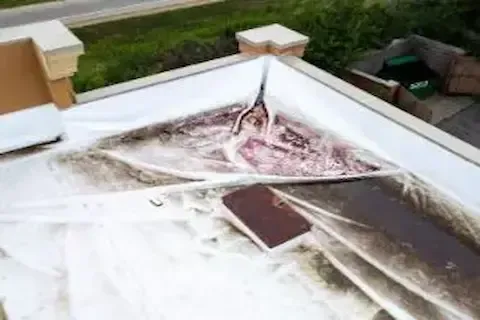
Thorough documentation is the single most important thing you can do before the adjuster sets foot on your property. Walk the entire roof surface and perimeter with a camera or phone, capturing close-up shots of every impact mark, puncture, lifted membrane section, and damaged flashing. Photograph interior ceilings, walls, and equipment for any signs of water intrusion. Note the date and time of each photo. For flat or low-slope roofs common on commercial buildings in Blaine, membrane bruising and granule displacement on cap sheets are often missed by adjusters unfamiliar with commercial systems. Your records become the baseline if the initial assessment is disputed.
Why Do You Need a Contractor Inspection Report?
A professional contractor inspection report carries weight that your own photos cannot. A qualified commercial roofing contractor will produce a written assessment identifying storm-caused damage versus pre-existing wear, estimated repair or replacement scope, and a cost breakdown. This report gives the adjuster a technical reference point and reduces the likelihood of scope disputes. It also protects you if the claim goes to appraisal. Commercial Storm Damage Restoration services in the Blaine area can typically provide this inspection before the adjuster visit, which puts you in a stronger negotiating position from the start.
How Do Minnesota's Insurance Timing Rules Affect Your Claim?
Minnesota statute requires insurers to acknowledge a claim within ten business days and to accept or deny it within 30 business days of receiving a completed proof of loss. If the insurer needs more time, they must notify you in writing with the reason. These deadlines matter for Anoka County property owners because a delayed adjuster visit can push your timeline into the winter months, when temporary repairs become more expensive and permanent work harder to schedule. Keep a written log of every contact with your insurer, including dates, names, and what was discussed.
What Happens During the Adjuster Inspection?
The adjuster will walk the roof, review your documentation, and produce an estimate using estimating software. Be present during this visit or have your contractor present. Adjusters working high-volume storm events in markets like Blaine and the broader Anoka County area may spend less time per property than the scope warrants. Having your contractor there to point out items the adjuster might overlook, such as damage to HVAC curbs, skylights, and roof drains, can prevent a short-paid claim. If the adjuster's estimate differs significantly from your contractor's report, you have the right to request a re-inspection or invoke the appraisal process outlined in your policy.
How Do You Handle Supplements and Disputes?
A supplement is an addition to the original claim once hidden damage or missed scope items are identified during the repair process. Commercial roofing projects frequently require supplements because the full extent of membrane damage is not visible until existing layers are removed. Submit supplements promptly with supporting documentation, photos, and updated contractor pricing. If your insurer denies a supplement or underpays, review your policy's dispute resolution options. Many commercial policies include a formal appraisal clause where both parties hire independent appraisers. You can also review our storm restoration guidance for additional information on building your documentation file before and during the claim process.
What Local Factors Should Anoka County Property Owners Know?
Anoka County sits in a corridor that sees frequent severe thunderstorm activity between May and September, with hail events that can range from minor granule loss to full membrane puncture. Blaine commercial properties, many of which feature large flat roof surfaces on retail, warehouse, and office buildings, are especially vulnerable because water ponds quickly on damaged membranes. Local municipalities may also require a building permit for roof replacement, which affects your project timeline and should be factored into your claim documentation. Working with a contractor familiar with Anoka County permit requirements avoids delays that could leave your building exposed.
