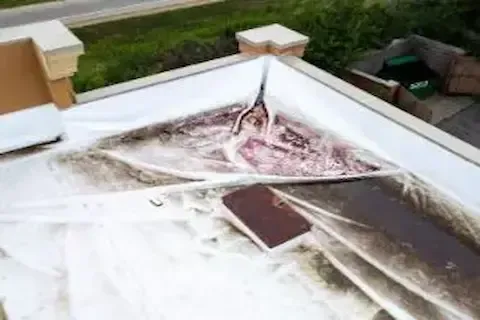
Commercial Storm Damage Restoration Help in Blaine MN
Commercial storm damage to your Blaine property demands immediate attention and systematic restoration approaches. Understanding the restoration process, insurance requirements, and emergency protocols helps property managers and business owners navigate post-storm recovery effectively while minimizing business disruption and financial losses.
Immediate Storm Damage Assessment
Storm damage assessment begins within hours of severe weather events affecting your commercial property. Professional evaluators examine roof membranes, HVAC units, exterior walls, and structural components for hail impact, wind uplift, and water penetration damage. Documentation includes high-resolution photography, detailed written reports, and moisture readings using calibrated equipment.
Emergency tarping services protect compromised roof areas from additional water damage while comprehensive assessments proceed. Temporary weatherproofing prevents secondary damage that complicates insurance claims and increases restoration costs. Professional restoration teams coordinate with building management to minimize tenant disruption during initial damage evaluation phases.
Anoka County commercial properties face unique storm patterns including severe hail, straight-line winds, and heavy precipitation events. Local restoration contractors understand regional weather challenges and maintain relationships with insurance adjusters familiar with Minnesota storm damage patterns. This regional expertise accelerates claim processing and restoration timelines.
Insurance Claim Documentation Requirements
Insurance carriers require specific documentation standards for commercial storm damage claims. Detailed photo documentation must capture damage from multiple angles, include reference measurements, and show both overall property conditions and specific impact areas. Written reports should correlate visual evidence with technical assessments of damage severity and repair requirements.
Moisture mapping identifies water intrusion patterns and potential mold development areas. Insurance adjusters evaluate these reports to determine coverage scope and approve restoration methodologies. Professional documentation prevents claim disputes and ensures comprehensive coverage for necessary repairs.
Timeline documentation proves damage occurrence dates and establishes causal relationships between storm events and property damage. Weather service reports, security camera footage, and witness statements support insurance claims when combined with professional damage assessments. Commercial Storm Damage Restoration specialists maintain detailed records supporting successful claim resolutions.
Emergency Response Protocols
Emergency response protocols activate immediately following severe weather events. Initial response includes securing the property perimeter, evacuating damaged areas if necessary, and implementing temporary protective measures. Emergency contacts for restoration services, insurance carriers, and building management ensure coordinated response efforts.
Water extraction begins within hours of storm damage to prevent microbial growth and structural deterioration. Industrial-grade extraction equipment removes standing water while air movement systems accelerate drying processes. Moisture monitoring continues throughout emergency response phases to ensure complete water removal.
Utility disconnection may become necessary in severely damaged areas to prevent electrical hazards and gas leaks. Emergency restoration teams coordinate with utility companies and building management to restore essential services safely while maintaining tenant safety and comfort in unaffected areas.
Roof Membrane Restoration Techniques
Single-ply membrane repairs address hail punctures, seam separation, and wind uplift damage using manufacturer-approved materials and techniques. TPO, EPDM, and modified bitumen systems require specific repair methodologies maintaining warranty coverage and performance characteristics. Professional installation ensures watertight seals and long-term durability.
Metal roofing restoration involves panel replacement, fastener evaluation, and coating applications addressing corrosion and impact damage. Granule loss on modified bitumen surfaces requires protective coatings preventing accelerated weathering and extending membrane lifespan. Restoration techniques preserve existing roof systems when replacement costs exceed practical limits.
Built-up roof restoration addresses multiple damage types including blister formation, aggregate displacement, and membrane delamination. Multi-layer repair systems restore waterproofing integrity while maintaining insulation values and structural load distribution. Professional restoration extends roof system lifespan and maintains building envelope performance.
HVAC System Storm Damage
Rooftop HVAC units sustain significant damage from hail impact, wind uplift, and debris strikes during severe storms. Condenser coils, fan motors, and electrical components require professional evaluation to determine repair versus replacement needs. Refrigerant leaks and electrical damage create safety hazards requiring immediate attention.
Ductwork inspection identifies punctures, disconnections, and insulation damage affecting indoor air quality and energy efficiency. Storm debris can obstruct air intakes and exhaust vents, reducing system performance and creating operational hazards. Professional cleaning and repair services restore optimal system operation.
Control system evaluation ensures proper operation following power surges and electrical disruptions common during storm events. Programming verification and sensor calibration restore automated building controls and optimize energy efficiency. Preventive maintenance following storm damage extends equipment lifespan and prevents premature failures.
Water Damage Mitigation Strategies
Water damage mitigation begins with source identification and immediate containment. Roof leaks, window failures, and exterior wall breaches require temporary sealing while permanent repairs proceed. Rapid response prevents extensive interior damage and reduces restoration costs significantly.
Structural drying involves controlled air movement, dehumidification, and temperature management accelerating moisture removal from building materials. Monitoring equipment tracks drying progress and identifies areas requiring extended treatment. Professional drying prevents mold growth and structural deterioration in affected areas.
Content protection and restoration addresses furniture, equipment, and inventory affected by water intrusion. Immediate removal from affected areas prevents additional damage while cleaning and restoration services salvage valuable business assets. our inspection walkthrough helps identify potential water damage entry points before storm events occur.
Blaine Commercial Property Considerations
Blaine's commercial district includes diverse property types from manufacturing facilities to retail centers, each presenting unique storm damage challenges. Industrial buildings with large roof areas face greater hail exposure while multi-tenant properties require coordinated restoration approaches minimizing business interruption.
Local building codes and permit requirements affect restoration timelines and methodologies. Blaine's permitting process accommodates emergency repairs while ensuring compliance with current building standards. Professional restoration contractors maintain relationships with local inspectors expediting approval processes.
Seasonal considerations impact restoration scheduling and material selection for Blaine commercial properties. Minnesota's climate requires cold-weather installation techniques and materials rated for extreme temperature variations. Professional contractors adjust restoration schedules accommodating weather constraints while maintaining project timelines.
Professional Restoration Team Selection
Professional restoration teams should maintain proper licensing, insurance coverage, and manufacturer certifications for installed systems. Experience with Anoka County commercial properties demonstrates understanding of local conditions and regulatory requirements. References from similar commercial projects indicate capability and reliability.
Emergency response capabilities include 24/7 availability, rapid mobilization, and comprehensive equipment resources. Storm damage requires immediate attention preventing additional damage and business interruption. Professional teams maintain emergency protocols and staffing ensuring prompt response during peak demand periods.
Warranty coverage and ongoing maintenance support protect restoration investments long-term. Professional contractors provide comprehensive warranties on materials and workmanship while offering preventive maintenance programs identifying potential issues before they become costly problems. This ongoing relationship ensures optimal building performance and longevity.
