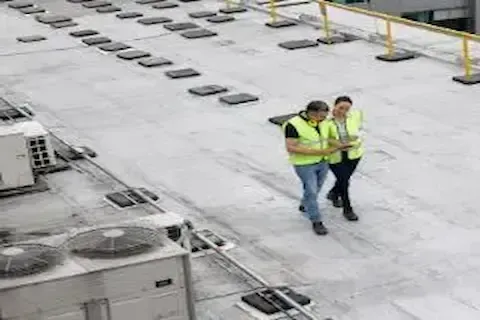
Commercial Roof Inspection for Blaine MN Properties
What Commercial Roof Inspections Cover
Commercial roof inspections in Blaine MN involve comprehensive evaluations of your building's roofing system to identify existing problems, potential issues, and maintenance needs. Professional inspectors examine multiple components including the roof membrane, drainage systems, flashing, penetrations, and structural elements. These detailed assessments help Anoka County property owners make informed decisions about repairs, replacements, and preventive maintenance schedules.
The inspection process typically begins with a visual assessment from ground level, followed by a thorough on-roof examination when conditions permit. Inspectors document their findings with photographs, measurements, and detailed reports that outline current conditions and recommended actions. For flat and low-slope commercial roofs common in Blaine, inspectors pay special attention to ponding water, membrane integrity, and seam conditions that can lead to costly leaks if left unaddressed.
Modern inspection techniques include drone surveys that provide comprehensive overhead views without requiring inspectors to walk on potentially damaged roof surfaces. This technology proves particularly valuable for large commercial buildings in Blaine's industrial districts, where traditional inspection methods might miss critical problem areas or pose safety risks to inspection personnel.
Key Components Inspected During Commercial Roof Evaluations
Professional roof inspectors systematically examine multiple roofing system elements to provide comprehensive assessments. The roof membrane receives primary attention, with inspectors checking for cracks, tears, blistering, or deterioration that could compromise waterproofing capabilities. They evaluate seam integrity, looking for separation or adhesive failure that commonly occurs in Anoka County's freeze-thaw climate conditions.
Drainage systems undergo thorough evaluation, including gutters, downspouts, roof drains, and scuppers. Inspectors verify proper water flow, check for blockages, and assess the condition of drainage components. Ponding water identification proves critical for flat roof systems, as standing water accelerates membrane deterioration and can lead to structural damage over time.
Flashing receives detailed attention around roof penetrations, parapet walls, HVAC units, and roof transitions. These vulnerable areas often develop problems first due to differential movement between materials and exposure to weather elements. Inspectors examine caulking, sealants, and metal flashing for signs of cracking, separation, or corrosion that could allow water intrusion.
Structural elements including roof decking, support beams, and load-bearing components get assessed for sagging, damage, or deterioration. Inspectors look for signs of water damage, insect infestation, or structural overload that might compromise building integrity. Safety features like guardrails, access ladders, and fall protection systems also receive evaluation to ensure compliance with current building codes.
Inspection Frequency and Timing Considerations
Most commercial roofing professionals recommend bi-annual inspections for Blaine commercial properties, typically conducted in spring and fall to address seasonal concerns. Spring inspections focus on winter damage assessment, including ice dam effects, freeze-thaw damage, and debris accumulation from severe weather events. Fall inspections prepare roofs for winter conditions by identifying and addressing potential problems before harsh weather arrives.
Property age and roofing material type influence inspection frequency recommendations. Newer commercial roofs might require annual inspections, while older systems or those with known issues benefit from quarterly assessments. Buildings with complex roofing systems, multiple roof levels, or extensive equipment installations typically need more frequent professional evaluations to maintain optimal performance.
Commercial Roof Inspection scheduling should also consider business operations and weather conditions. Many Anoka County businesses prefer inspections during mild weather periods when roof access poses minimal safety risks and business disruptions can be minimized. Emergency inspections following severe weather events, hail storms, or high winds provide immediate damage assessment and help property owners file timely insurance claims.
Warranty requirements often dictate specific inspection schedules, with many commercial roofing manufacturers requiring annual professional inspections to maintain warranty coverage. Property managers should review warranty terms carefully and schedule inspections accordingly to avoid voiding coverage due to maintenance neglect.
Drone Technology and Advanced Inspection Methods
Drone surveys have revolutionized commercial roof inspections in Blaine, providing detailed aerial documentation without requiring inspectors to walk on potentially compromised roof surfaces. High-resolution cameras capture detailed images of roof conditions, while thermal imaging capabilities identify moisture intrusion, insulation problems, and energy loss areas that might not be visible during traditional inspections.
Thermal imaging technology proves particularly valuable for identifying wet insulation areas beneath intact roof membranes. These hidden moisture problems can cause significant structural damage if left undetected, making thermal surveys an essential component of comprehensive roof evaluations. The technology works especially well during temperature differential periods common in Minnesota's climate.
Core sampling provides definitive moisture content analysis for suspected problem areas. Inspectors extract small roof sections to examine insulation conditions, membrane thickness, and substrate integrity. This destructive testing method confirms thermal imaging findings and provides specific information needed for accurate repair specifications and cost estimates.
Digital documentation systems create comprehensive inspection records including time-stamped photographs, GPS coordinates for problem areas, and detailed condition reports. These records prove invaluable for tracking roof deterioration over time, supporting insurance claims, and planning maintenance budgets. Many inspection companies provide online portals where property owners can access historical inspection data and track recommended repairs.
Common Problems Found During Commercial Roof Inspections
Membrane deterioration ranks among the most frequently identified problems during Blaine commercial roof inspections. UV exposure, temperature fluctuations, and normal aging cause roof membranes to become brittle, crack, or lose adhesion. Single-ply membrane systems might develop seam failures, while built-up roofing systems often show granule loss, cracking, or blistering that compromises waterproofing capabilities.
Drainage issues create significant problems for flat and low-slope commercial roofs throughout Anoka County. Blocked drains, damaged gutters, or inadequate slope design lead to ponding water that accelerates roof deterioration. Standing water also increases structural loads and can cause interior damage when membranes eventually fail under prolonged water exposure.
Flashing failures around roof penetrations, parapet walls, and equipment installations represent another common inspection finding. Minnesota's extreme temperature variations cause expansion and contraction that can separate flashing from adjacent materials, creating entry points for water intrusion. Poor initial installation or deferred maintenance often compounds these problems over time.
For property owners seeking additional information about roofing system options, our modified bitumen overview provides detailed insights into one of the most durable commercial roofing solutions available for Minnesota's challenging climate conditions.
Equipment-related damage from HVAC units, exhaust fans, and other rooftop installations frequently appears during inspections. Vibration, improper mounting, or maintenance activities can damage surrounding roof membranes or flashing systems. Regular equipment maintenance should include roof protection measures to prevent these avoidable problems.
Documentation and Reporting Standards
Professional inspection reports provide comprehensive documentation of roof conditions, identified problems, and recommended actions. Reports typically include executive summaries for property managers, detailed findings sections for maintenance personnel, and photographic evidence showing specific problem areas. Priority rankings help property owners understand which issues require immediate attention versus longer-term planning considerations.
Cost estimates for recommended repairs or replacements help property owners budget for necessary work and plan maintenance schedules. Reputable inspection companies provide realistic pricing ranges based on current market conditions and typical repair complexities. These estimates prove valuable for insurance claim preparation and capital improvement planning processes.
Maintenance recommendations outline preventive measures property owners can implement to extend roof life and prevent minor problems from becoming major expenses. These might include cleaning schedules, minor repair procedures, or seasonal preparation tasks that building maintenance staff can handle internally.
Digital report formats allow easy sharing among property management teams, insurance adjusters, and roofing contractors. Cloud-based storage systems provide access to historical inspection data that helps track roof performance over time and supports warranty claims or insurance disputes when they arise.
Working with Qualified Commercial Roof Inspectors
Selecting qualified commercial roof inspectors requires evaluating credentials, experience, and local knowledge specific to Blaine's commercial building requirements. Look for inspectors with relevant certifications from roofing industry organizations, insurance company approvals, and extensive experience with your specific roofing system type. Local knowledge of Minnesota building codes and climate-related roofing challenges proves essential for accurate assessments.
Insurance company relationships can influence inspector selection, particularly when inspection results will support claim submissions. Many insurers maintain preferred inspector lists or specific qualification requirements that property owners should understand before scheduling inspections. Some insurance policies require annual inspections from approved providers to maintain coverage.
Inspection timing coordination becomes critical for large commercial properties with multiple tenants or complex operations. Professional inspectors work with property managers to schedule assessments that minimize business disruptions while ensuring thorough evaluations. Weather conditions, seasonal access limitations, and building occupancy patterns all influence optimal inspection scheduling.
Follow-up services including repair oversight, warranty compliance verification, and ongoing maintenance planning add value beyond basic inspection services. Many commercial property owners benefit from establishing relationships with inspection providers who understand their specific buildings and can provide consistent service over time.
