Modified Bitumen Roofing Systems for Blaine Minnesota
Modified bitumen roofing represents one of the most reliable and weather-resistant commercial roofing solutions available to property owners in Blaine, Minnesota. This multi-layer roofing system combines the proven durability of traditional built-up roofing with modern polymer technology, creating a membrane that excels in the harsh climate conditions common throughout Anoka County. The system consists of reinforced bitumen sheets that are modified with either styrene-butadiene-styrene (SBS) or atactic polypropylene (APP) polymers, each offering distinct installation methods and performance characteristics suited to different commercial applications.
Understanding Modified Bitumen Components and Technology
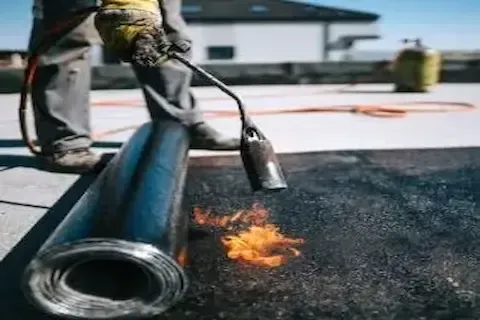
Modified bitumen systems utilize a base layer of traditional asphalt that has been enhanced with synthetic rubber or plastic polymers to improve flexibility, durability, and temperature resistance. The SBS modification creates a rubber-like membrane that remains flexible even in Minnesota's sub-zero temperatures, while APP modification produces a more plastic-like material that provides excellent heat resistance and UV protection during Blaine's intense summer months. The reinforcement layer typically consists of polyester or fiberglass mat, providing tensile strength and dimensional stability to the membrane. This reinforcement prevents the roofing system from expanding and contracting excessively during the dramatic temperature swings common in the Twin Cities metropolitan area. The surface layer often includes mineral granules or reflective coatings that protect against UV radiation and provide additional weather resistance. Installation methods vary depending on the polymer modification. SBS membranes are typically installed using cold adhesives or self-adhering techniques, making them ideal for buildings where open flame application poses safety concerns. APP membranes require torch application, where installers use propane torches to heat and fuse the membrane layers together, creating a monolithic waterproof barrier.
Climate Performance in Blaine's Weather Conditions
The modified bitumen roofing system demonstrates exceptional performance in Minnesota's continental climate, where temperature extremes can range from -30°F in winter to 95°F in summer. The polymer modification prevents the traditional cracking and brittleness associated with standard asphalt roofing in cold conditions, while maintaining structural integrity during thermal expansion and contraction cycles. Snow load resistance proves particularly important for Blaine commercial properties, as the area regularly experiences heavy snowfall and ice accumulation. Modified bitumen membranes distribute weight evenly across the roof structure and resist puncturing from ice formation or debris impact. The seamless installation creates a continuous waterproof barrier that prevents ice dam formation and water infiltration even during prolonged freeze-thaw cycles. Wind resistance ratings for properly installed modified bitumen systems often exceed 90 mph, providing reliable protection against the severe thunderstorms and occasional tornadoes that affect Anoka County. The fully adhered installation method eliminates the risk of membrane uplift that can compromise other roofing systems during high-wind events.
Installation Methodology and Safety Considerations
Professional installation of modified bitumen roofing requires specific expertise and safety protocols, particularly for torch-applied APP systems. The installation process begins with thorough substrate preparation, including cleaning, priming, and ensuring proper slope for drainage. Base sheets are typically mechanically fastened or fully adhered to the roof deck, providing a secure foundation for subsequent membrane layers. Modified Bitumen Roofing installation demands precise temperature control and timing. Torch application requires maintaining optimal heat levels to achieve proper adhesion without overheating the membrane, which could compromise its physical properties. Weather conditions must be carefully monitored, as installation cannot proceed during precipitation, high winds, or when temperatures fall below manufacturer specifications. Safety protocols for torch-down installation include fire watch procedures, proper ventilation, and specialized equipment for handling open flames on commercial properties. Many Blaine businesses opt for torch-applied systems despite the additional safety requirements because of the superior waterproofing performance achieved through heat-fusion bonding. Quality control measures during installation include testing seam integrity, verifying proper membrane thickness, and conducting flood tests on completed sections. These procedures ensure the roofing system will perform as designed throughout its expected service life.
Maintenance Requirements and Inspection Protocols
Modified bitumen roofing systems require regular maintenance to achieve their full lifespan potential, typically ranging from 15 to 25 years depending on installation quality and environmental exposure. Semi-annual inspections should focus on seam integrity, surface granule retention, and drainage system functionality. Blaine's freeze-thaw cycles can create minor membrane movement that requires monitoring and occasional resealing. Preventive maintenance includes removing debris accumulation, particularly around roof penetrations and drainage areas where ice formation commonly occurs. Surface cleaning helps maintain the reflective properties of granulated surfaces and prevents premature UV degradation. Small punctures or seam separations can be effectively repaired using compatible patching materials and proper application techniques. Professional maintenance programs often include thermal imaging inspections to identify moisture intrusion before visible damage occurs. This proactive approach proves particularly valuable for large commercial properties in Anoka County where roof replacement costs can significantly impact operating budgets.
Cost Analysis and Economic Considerations
The initial installation cost of modified bitumen roofing typically falls between premium single-membrane systems and traditional built-up roofing, making it an economically attractive option for many Blaine commercial properties. Material costs vary based on membrane thickness, reinforcement type, and surface treatments, with SBS systems generally commanding slightly higher prices than APP alternatives. Labor costs for installation depend on system complexity, building accessibility, and local contractor availability. Torch-applied installations require more specialized labor and safety equipment, potentially increasing installation expenses. However, the long-term performance and reduced maintenance requirements often offset higher initial costs through extended service life and improved energy efficiency. Energy performance benefits include potential reductions in cooling costs when reflective surface treatments are applied. Modified bitumen systems can achieve ENERGY STAR compliance when specified with appropriate reflective coatings, potentially qualifying for utility rebates or tax incentives available to commercial property owners in Minnesota. Financing options through commercial roofing contractors often include extended warranty programs that provide additional protection beyond manufacturer guarantees. These comprehensive coverage programs can include regular maintenance services, emergency repair response, and performance guarantees that protect property owners' investments.
Comparison with Alternative Roofing Systems
When compared to single-membrane systems like TPO or EPDM, modified bitumen offers superior puncture resistance and proven long-term performance in extreme climate conditions. While single membranes may offer faster installation, the multi-layer construction of modified bitumen provides redundant waterproofing protection that proves valuable for critical commercial facilities. our EPDM roofing breakdown provides detailed information about rubber membrane alternatives, but modified bitumen systems often demonstrate superior resistance to foot traffic and mechanical damage common on active commercial roofs. The ability to perform localized repairs without compromising adjacent membrane areas represents a significant maintenance advantage. Traditional built-up roofing shares similar multi-layer construction principles but lacks the polymer enhancement that provides improved flexibility and weather resistance. Modified bitumen essentially represents an evolution of built-up technology, incorporating modern materials science to address the limitations of conventional asphalt-based systems. Metal roofing systems offer excellent longevity but require significantly higher initial investment and specialized structural considerations. Modified bitumen provides comparable weather resistance at a more accessible price point, making it suitable for a broader range of commercial applications throughout the Blaine area.
Future Considerations and System Evolution
The modified bitumen roofing industry continues evolving with improved polymer formulations, enhanced reinforcement materials, and innovative surface treatments. Cool roof technology integration allows modified bitumen systems to achieve high solar reflectance values while maintaining the proven durability characteristics that make them suitable for Minnesota's challenging climate. Sustainability initiatives within the roofing industry focus on recyclable membrane materials and reduced installation energy requirements. Modified bitumen manufacturers increasingly offer products containing recycled content while maintaining performance standards required for commercial applications in severe weather climates. Building code evolution and energy efficiency requirements may influence future modified bitumen specifications, particularly regarding insulation integration and thermal performance standards. Property owners planning long-term facility improvements should consider these developing requirements when evaluating roofing system options for their Blaine commercial properties. The proven track record of modified bitumen systems in similar climate conditions throughout the northern United States provides confidence in their continued suitability for Anoka County commercial applications, ensuring property owners receive reliable weather protection and predictable maintenance costs throughout the system's service life.
