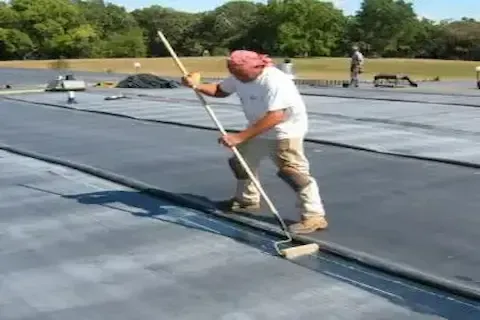
EPDM Roofing Systems for Blaine MN Commercial Buildings
EPDM (Ethylene Propylene Diene Monomer) roofing systems have become a cornerstone of commercial building protection in Blaine, Minnesota, offering exceptional durability against the region's harsh winter conditions and temperature fluctuations. This synthetic rubber membrane technology provides commercial property owners with a reliable, cost-effective solution that withstands the unique challenges of Minnesota's climate while delivering long-term performance and value.
Understanding EPDM Roofing Technology
EPDM roofing consists of a single-ply rubber membrane manufactured from ethylene, propylene, and a small amount of diene monomer. This chemical composition creates a flexible, weather-resistant material that maintains its integrity across extreme temperature ranges. The membrane typically comes in thicknesses of 45, 60, or 90 mils, with most commercial applications in Blaine utilizing 60-mil systems for optimal performance and cost balance.
The manufacturing process involves vulcanization, which creates cross-linked polymer chains that give EPDM its characteristic flexibility and durability. This process results in a material that can expand and contract with temperature changes without cracking or losing its waterproof properties. For commercial buildings in Blaine, this flexibility proves crucial during the transition between Minnesota's frigid winters and warm summers.
EPDM membranes are available in black and white formulations, each offering distinct advantages. Black EPDM absorbs heat, which can help with snow melting and reduce ice dam formation during winter months. White EPDM reflects solar radiation, potentially reducing cooling costs during summer months. The choice between colors often depends on the specific building's energy efficiency goals and local climate considerations.
Installation Methods and Techniques
Three primary installation methods exist for EPDM roofing systems: fully adhered, mechanically attached, and ballasted. Each method offers specific advantages depending on building design, wind load requirements, and budget considerations. Fully adhered systems provide the highest wind resistance and are often preferred for commercial buildings in areas prone to severe weather.
The fully adhered method involves applying contact adhesive to both the roof deck and the membrane, creating a permanent bond across the entire surface. This installation requires precise timing and weather conditions, as adhesive must remain tacky during membrane placement. Professional contractors in Anoka County typically prefer this method for critical commercial applications due to its superior performance characteristics.
Mechanically attached systems use fasteners and plates to secure the membrane to the roof deck, typically around the perimeter and at specified intervals across the field. This method offers faster installation and works well in various weather conditions, making it popular for larger commercial projects with tight timelines. EPDM Roofing Systems installed using mechanical attachment provide excellent performance while offering cost savings over fully adhered systems.
Ballasted systems rely on the weight of gravel, pavers, or other materials to hold the membrane in place. While this method offers the lowest initial installation cost, it requires structural capacity to support the additional weight and may not be suitable for all commercial buildings in Blaine.
Climate Performance in Minnesota Conditions
EPDM roofing systems excel in Minnesota's challenging climate, demonstrating exceptional performance across temperature ranges from -40°F to 160°F. The rubber membrane's flexibility prevents cracking during freeze-thaw cycles, a critical advantage in regions experiencing frequent temperature fluctuations. This performance characteristic makes EPDM particularly suitable for commercial buildings in Blaine, where winter temperatures can remain below freezing for extended periods.
The material's resistance to UV radiation ensures long-term performance despite Minnesota's intense summer sun and high UV index readings. Unlike some roofing materials that become brittle or degrade under constant UV exposure, EPDM maintains its flexibility and waterproofing properties throughout its service life. This UV resistance, combined with excellent ozone resistance, contributes to EPDM's typical 20-30 year service life in commercial applications.
Snow load performance represents another critical factor for Blaine commercial buildings. EPDM's smooth surface facilitates snow shedding and ice removal, reducing the risk of structural damage from excessive snow accumulation. The membrane's flexibility allows it to accommodate structural deflection under heavy snow loads without tearing or developing leaks.
Wind resistance varies by installation method, with fully adhered systems providing the highest resistance to wind uplift. This characteristic proves essential for commercial buildings in exposed locations or areas prone to severe weather events. Properly installed EPDM systems can withstand wind speeds exceeding 100 mph when fully adhered, meeting or exceeding local building code requirements.
Cost Analysis and Budget Planning
EPDM roofing systems typically cost between $4.50 and $8.50 per square foot installed, depending on membrane thickness, installation method, and project complexity. This cost range positions EPDM as a mid-range option among single-ply commercial roofing systems, offering excellent value when considering long-term performance and maintenance requirements.
Material costs account for approximately 40-50% of total project expenses, with labor comprising the remainder. Thicker membranes command higher prices but offer enhanced durability and longer service life. The 60-mil thickness represents the optimal balance for most commercial applications in Blaine, providing excellent performance at a reasonable cost premium over thinner options.
Installation method significantly impacts project costs. Ballasted systems offer the lowest initial cost but may require structural upgrades to support additional weight. Mechanically attached systems fall in the middle range, while fully adhered installations command premium pricing due to material and labor requirements. However, the enhanced performance and longer service life of fully adhered systems often justify the additional investment.
Long-term cost considerations favor EPDM systems due to their minimal maintenance requirements and exceptional longevity. Annual maintenance costs typically range from $0.10 to $0.25 per square foot, significantly lower than many alternative roofing systems. This low maintenance requirement, combined with the system's longevity, results in attractive lifecycle cost performance for commercial property owners.
Common Installation Challenges and Solutions
Weather dependency represents the most significant challenge in EPDM installation, particularly for fully adhered systems. Adhesive application requires specific temperature and humidity conditions, which can be difficult to achieve during Minnesota's variable spring and fall weather patterns. Professional contractors typically plan installations during optimal weather windows and may use specialized adhesives formulated for challenging conditions.
Seam integrity poses another critical concern, as improper seam construction can lead to premature failure. EPDM seams require precise cleaning, priming, and taping procedures to ensure long-term watertight performance. Contractors specializing in commercial EPDM installation invest in proper training and quality control procedures to minimize seam-related issues.
Penetration management around HVAC units, vents, and other roof-mounted equipment requires careful attention to detail. Each penetration must be properly flashed and sealed to prevent water infiltration. Pre-manufactured accessories and specialized tapes help ensure reliable penetration sealing, but proper installation technique remains critical for long-term success.
Substrate preparation affects installation success and long-term performance. The roof deck must be clean, dry, and structurally sound before membrane installation. Any existing moisture must be removed, and damaged decking must be repaired or replaced. Proper insulation installation and vapor barrier placement also impact system performance, particularly in Minnesota's climate with significant indoor-outdoor temperature differentials.
Maintenance Requirements and Longevity
EPDM roofing systems require minimal maintenance when properly installed, making them attractive for commercial property owners seeking low-maintenance solutions. Routine maintenance typically involves biannual inspections, debris removal, and minor repairs as needed. The smooth membrane surface facilitates easy cleaning and prevents debris accumulation that could lead to drainage problems.
Seam maintenance represents the most critical aspect of EPDM system care. Periodic inspection of seam tape adhesion helps identify potential problems before they result in leaks. Professional maintenance programs typically include seam inspection and renewal as needed, extending system life and preventing costly interior damage.
Ponding water areas require attention, as standing water can accelerate membrane degradation and create opportunities for leak development. While EPDM demonstrates excellent resistance to standing water compared to many roofing materials, proper drainage remains essential for optimal performance. Regular drain cleaning and minor slope corrections help maintain proper water flow.
The membrane's resistance to puncture and tear damage contributes to low maintenance requirements. However, mechanical damage from foot traffic, falling objects, or equipment installation can occur. Small punctures and tears can be easily repaired using compatible patches and adhesives, often without requiring professional assistance for minor damage.
Local Building Code Compliance
Blaine commercial buildings must comply with Minnesota State Building Code requirements, which reference the International Building Code with state-specific modifications. EPDM systems readily meet these requirements when properly designed and installed, but specific considerations apply to wind resistance, fire ratings, and energy efficiency requirements.
Wind resistance requirements vary by building height, exposure category, and geographic location within Anoka County. EPDM systems can achieve the required wind resistance ratings through appropriate installation methods and fastening patterns. Professional design services ensure compliance with local wind load requirements while optimizing system performance and cost.
Fire resistance requirements for commercial buildings typically mandate Class A fire ratings for roof assemblies. EPDM membranes can achieve these ratings when combined with appropriate insulation and deck materials. The specific assembly design affects fire rating performance, making professional consultation essential for code compliance.
Energy code compliance has become increasingly important for commercial buildings, affecting insulation requirements and cool roof provisions. While traditional black EPDM may not qualify for cool roof credits, white EPDM formulations can contribute to energy code compliance and potential utility rebates. our TPO roofing write-up provides additional information about cool roof requirements and energy efficiency considerations for commercial buildings.
Professional Installation Considerations
EPDM installation requires specialized knowledge, tools, and experience to achieve optimal results. The membrane's flexibility and specific adhesive requirements demand proper training and certification. Professional contractors invest in manufacturer training programs and maintain certifications to ensure installation quality and warranty compliance.
Quality control procedures during installation significantly impact long-term performance. These procedures include substrate inspection, adhesive application verification, seam testing, and final inspection protocols. Experienced contractors utilize moisture meters, infrared cameras, and other diagnostic tools to verify installation quality and identify potential problems before system completion.
Warranty considerations play a crucial role in contractor selection, as manufacturers typically offer extended warranties only through certified installers following approved procedures. These warranties can extend up to 30 years for material defects and may include installation workmanship coverage. Professional installation documentation helps ensure warranty validity and provides valuable information for future maintenance and repairs.
The complexity of commercial building requirements, including code compliance, energy efficiency, and integration with existing building systems, necessitates professional design and installation services. Experienced commercial roofing contractors understand these requirements and can navigate the permitting and inspection process while ensuring optimal system performance for Blaine's unique climate conditions.
