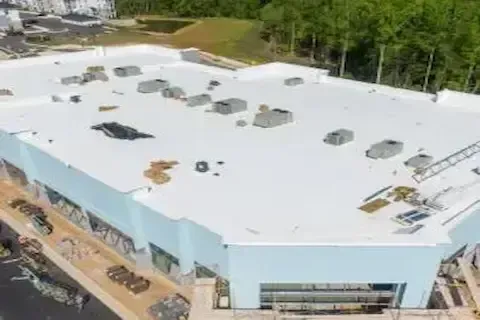
Winter New Build Roof Sequencing in Blaine Minnesota
Winter construction timelines in Blaine don't pause for cold weather, and neither do the roof sequencing decisions that determine whether a new build stays on schedule or stalls into spring. Anoka County winters are not forgiving. Temperatures regularly drop below 0°F, wind chill compounds exposure, and frozen ground and precipitation can arrive in rapid succession. When you're sequencing a new commercial roof installation in these conditions, every decision—from dry-in targets to material storage—carries consequences that ripple through the entire project.
Why Sequencing Matters More in Winter
On a summer new build, roof sequencing is important. In winter, it becomes critical. The moment the structural deck is complete, the clock starts on weather exposure risk. An unsealed deck in a Blaine winter invites moisture intrusion, thermal cycling damage, and substrate contamination that can compromise the entire roofing assembly before a single membrane is rolled out. The dry-in phase—getting a temporary or permanent weather barrier in place—has to happen faster and with more deliberate planning than in warmer months.
Interior trades also depend on the roof being in place. Mechanical, electrical, and insulation crews cannot safely or productively work inside a structure that's open to subzero wind events. Sequencing the roof correctly protects not just the building envelope but the entire downstream construction schedule. For Anoka County projects where mobilization costs are high and winter scheduling windows are tight, this planning has real dollar value.
Dry-In Targets for Cold Weather Projects
The dry-in target on a cold weather new build in Blaine should be established before the project breaks ground. The goal is to have a code-compliant temporary or permanent roof barrier in place within a defined number of days after the structural deck is complete—typically 72 hours or less when precipitation is forecasted. This requires coordination between the general contractor, structural framing crew, and roofing contractor so the handoff is seamless rather than sequential.
Temporary dry-in systems using mechanically attached base sheets or high-temperature self-adhering membranes can provide immediate weather protection while the full roofing assembly is installed in stages. In winter conditions, this staged approach often makes more sense than waiting to install everything in one mobilization. It keeps the building protected while allowing insulation and cover board installation to proceed under controlled conditions.
Material Temperature Requirements
Cold weather creates real constraints on roofing material performance that can't be ignored on a Blaine winter new build. Adhesives, self-adhering membranes, and sealants all have minimum application temperature thresholds—typically between 40°F and 50°F depending on the product. Below those thresholds, adhesion can fail, membrane flexibility drops significantly, and the installed system may not perform as designed even after temperatures rise.
For New Construction Commercial Roofing in Minnesota winters, material management is part of the job. This means storing materials in heated enclosures or heated trailers on site and transporting them to the roof surface immediately before installation. Rolls of membrane should be warmed before unrolling to prevent cracking or stiffness that makes them difficult to work flat. Propane or electric substrate heaters are commonly used to bring deck surface temperatures into acceptable ranges before adhesive application.
Insulation boards also need to be kept dry. Even minor moisture absorption in polyiso or EPS insulation boards before installation can affect thermal performance and long-term adhesion. In Blaine's variable winter conditions, where morning fog or light precipitation can occur even on days without significant snowfall, protecting board stock matters.
Heated Enclosures and Temporary Heat
On larger commercial new builds in Blaine, temporary heated enclosures are sometimes used to extend the viable installation window for membrane roofing. These enclosures—typically constructed from scaffold framing and insulated tarps or shrink-wrap systems—allow crews to maintain workable temperatures on a defined section of the roof while work proceeds. They're not inexpensive to construct or operate, but on a project where schedule delays have significant carrying costs, they often pencil out quickly.
Temporary heat also plays a role inside the building during new construction. If the interior can be brought to temperature before rooftop work begins, heat rising from the interior can help keep the deck surface warmer from below, reducing the gap between ambient air temperature and acceptable application conditions. This approach requires coordination but is practical on enclosed structures in Anoka County where the lower levels are heated for interior trades.
Crew Safety in Anoka County Winter Conditions
Cold weather roofing safety on new builds in Blaine goes beyond standard fall protection. Winter introduces slip hazards on icy decks, cold stress that affects judgment and dexterity, and the practical problem that PPE requirements change when workers are bundled in heavy clothing. Gloves that provide adequate warmth often reduce manual dexterity enough that fastener installation and seam work require more time and closer supervision.
A sound winter safety plan for roof sequencing work in Blaine should include warm-up break schedules, buddy systems for early-morning work when surface ice is most likely, and clear protocols for stopping work when conditions deteriorate beyond safe thresholds. Wind chill in Anoka County can push felt temperatures well below ambient air readings, and those conditions affect both worker safety and material performance simultaneously. Roofing contractors who regularly work Minnesota winters know the difference between a productive cold day and a day when stopping early is the right call.
Coordinating with the General Contractor
Winter new build roof sequencing in Blaine requires a tighter coordination loop with the general contractor than a warm-weather project. The GC needs to know minimum lead times for roof access, how deck handoff will be communicated, and what conditions trigger schedule adjustments. Documenting these expectations in the pre-construction meeting saves friction later in the project.
For reference on sequencing decisions specific to flat roof systems in this market, you can review our new build roofing notes for additional context. Getting alignment early between the roofing crew and the GC's superintendent is particularly important when a Blaine winter project is running on a compressed schedule and every day of viable installation weather counts.
Closing Perspective
Winter new build roofing in Blaine and the broader Anoka County area is manageable when it's planned for specifically rather than treated as a warm-weather project happening in cold conditions. The sequencing decisions—dry-in timing, material handling, heated enclosures, crew safety protocols, and GC coordination—all interact with each other. Getting them right means the roof goes in on schedule, interior work proceeds without moisture-related setbacks, and the finished assembly performs as designed for the life of the building.
