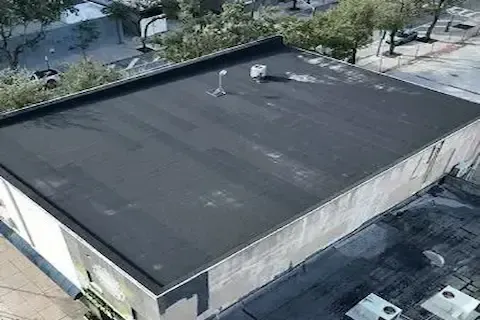
Spring Flat Roof Replacement Planning in Blaine MN
Spring is the most competitive window for commercial roofing in Blaine, Minnesota — and that competition is exactly why planning ahead matters more than you might expect. Once the frost leaves the ground and temperatures stabilize above freezing consistently, every property manager and building owner in Anoka County seems to call a roofer at the same time. If you wait until May to start thinking about a flat roof replacement, you may find yourself booking a July or August start date and losing months of productive roofing season. Understanding how the spring timeline works in this region, what drives contractor availability, and how material lead times affect your schedule can mean the difference between a smooth project and a stressful scramble.
Why Spring Timing Is Different in Blaine
Blaine and the surrounding Anoka County area experience a compressed roofing season compared to much of the country. Winter installation is possible for some flat roof systems, but cold-temperature adhesives, TPO welding requirements, and frozen substrate concerns limit what crews can safely complete from December through February. That means demand stacks up over winter and releases all at once in spring. March and April are when smart owners begin the planning process — not when they schedule a start date.
The thaw timeline in this part of Minnesota also varies meaningfully from year to year. A late-season snowfall in April or a cold snap in early May can push practical installation windows back by two to three weeks. Experienced contractors build buffer into their spring schedules, but that buffer gets consumed quickly. If your project isn't already in a queue when the weather turns, you're competing with everyone else for that same opening.
When to Start the Bidding Process
For a spring flat roof replacement in Blaine, the bidding process should start no later than January or February. That timeline allows you to do three things properly: gather multiple competitive bids, review them without pressure, and sign a contract early enough to get on a contractor's spring schedule before those slots fill.
Start by documenting your current roof condition. Pull any maintenance records, note areas of ponding water or visible membrane failure, and check whether your building has had any interior moisture damage over winter. This documentation gives bidding contractors the context they need to provide accurate proposals rather than ballpark estimates. If you've had core samples taken or had an infrared scan done previously, share those results as well.
Request bids from at least two or three qualified contractors who specialize in commercial flat roofing. Ask each contractor to specify the membrane system they're proposing, the number of layers being removed, how they handle decking inspection, and what warranty coverage looks like — both manufacturer and workmanship. Comparing bids on these specifics prevents apples-to-oranges confusion later.
For more context on what the full replacement process looks like from start to finish, review our flat roof replacement overview before you begin collecting proposals.
Material Lead Times You Need to Account For
One of the most underestimated planning factors is material availability. TPO membrane, EPDM rolls, modified bitumen, and insulation board are all subject to supply chain variability — and spring demand spikes in Minnesota create real shortages for certain products. If your contractor can't commit to a specific material shipment date when they sign the contract, that's worth asking about directly.
Lead times for roofing insulation — particularly polyiso board, which is common on commercial flat roofs in Anoka County — have stretched in recent years due to manufacturing capacity and regional demand. In some cases, orders need to be placed four to six weeks in advance to guarantee availability for a specific project window. A contractor who hasn't accounted for this in your project timeline could find the job delayed even when the crew is ready to work.
Ask any contractor you're seriously considering how they manage material procurement. Do they stock commonly used products, or do they order per job? How far in advance do they place orders for a signed project? These questions tell you a lot about how organized the operation is and whether your spring start date is realistic.
Booking Windows and Contract Timing
Spring booking windows for Commercial Flat Roof Replacement in Blaine typically open up in January, with the strongest contractors filling their April and May slots by late February. March signings often result in June or July start dates, which isn't a problem for some buildings but can be a real issue if you have active leaks or interior damage that makes waiting costly.
When you sign a contract, confirm the following in writing: the estimated start week, the total project duration, what triggers a schedule delay and how it's communicated, and what happens if material arrives late. A reputable contractor will be straightforward about all of these points. Vague answers about timing are a flag worth noting.
If your building is occupied during business hours, also clarify how the contractor handles noise, access, and debris management during the project. On occupied commercial properties in Blaine's business corridors, tenant communication and site cleanliness matter as much as technical execution.
Practical Considerations for Anoka County Properties
Anoka County commercial properties often include retail strips, light industrial buildings, and mixed-use structures that have different operational considerations during a roofing project. Drainage tie-ins, HVAC curb heights, rooftop equipment, and parapet conditions all affect how a flat roof replacement is scoped and executed. Make sure your contractor performs a thorough site walkthrough — not just a visual from the ground — before submitting a bid.
Permit requirements in Blaine should also be addressed early. Most commercial flat roof replacements require a building permit, and the timeline for approval can run one to two weeks depending on the project scope and current permit office load. A contractor who routinely works in Blaine will know the local process and factor permit timing into the project schedule from the start.
Making the Most of the Spring Window
Spring offers the most reliable installation conditions for flat roof systems in Minnesota — moderate temperatures, manageable precipitation, and long working days. But capturing that window takes planning that starts well before spring arrives. If your flat roof is approaching the end of its service life, or if you've noticed accelerating deterioration over the past winter, now is the time to start the process. The property owners who move in January and February secure better contractor availability, more accurate pricing, and calmer project timelines than those who wait for the ground to thaw before picking up the phone.
