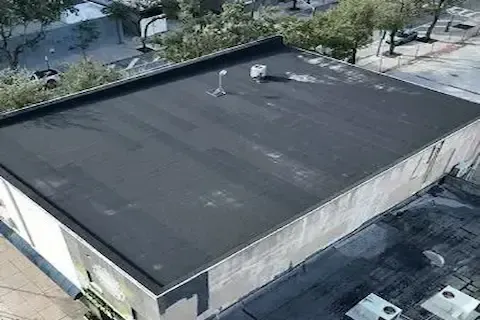
Signs Your Blaine Flat Roof Needs Full Replacement
Your flat roof serves as the first line of defense against Minnesota's harsh weather conditions, but even the most well-constructed systems eventually reach the end of their useful life. Recognizing the critical warning signs early can save you thousands in emergency repairs and prevent costly damage to your Blaine commercial property's interior systems.
Persistent Water Pooling and Drainage Issues
One of the most telling signs your flat roof needs complete replacement is persistent ponding water that remains on the surface 48 hours after rainfall. While minor puddles are common on flat surfaces, extensive pooling indicates structural settling or membrane deterioration that simple repairs cannot address.
When you notice water collecting in the same areas repeatedly, especially near the building's center, the roof deck may have developed permanent depressions. These low spots create ongoing stress on the roofing membrane and accelerate deterioration of the entire system. In Blaine's climate, standing water also creates ideal conditions for ice formation during winter months, adding significant weight and stress to an already compromised structure.
Professional drainage assessment becomes crucial when ponding covers more than 25% of your roof surface. At this point, Commercial Flat Roof Replacement often proves more cost-effective than attempting to rebuild the entire drainage system while working around a deteriorating membrane.
Extensive Membrane Splitting and Seam Failure
Seam failures represent one of the most serious structural issues affecting flat roofing systems. When you observe multiple seams pulling apart or developing gaps wider than a quarter-inch, the membrane has likely exceeded its expansion and contraction limits.
Temperature fluctuations in Anoka County can be extreme, with summer highs reaching the 90s and winter lows dropping below zero. This thermal cycling causes roofing materials to expand and contract repeatedly, eventually fatiguing the seams beyond their design capacity. Single seam failures can often be repaired, but when you notice widespread seam separation across different roof areas, replacement becomes necessary.
Look for seam failures near roof penetrations, along perimeter edges, and at material transitions. These areas experience the highest stress and typically fail first. When seam problems appear in multiple locations simultaneously, it indicates the entire membrane system has reached the end of its service life.
Widespread Blistering and Membrane Delamination
Blistering occurs when moisture becomes trapped between roofing layers, creating bubble-like formations that weaken the entire membrane structure. While isolated blisters can sometimes be repaired, extensive blistering across large roof areas signals fundamental moisture infiltration problems.
You can identify serious blistering by walking your roof surface and feeling for soft, spongy areas that give under foot pressure. These areas indicate the membrane has separated from the substrate, eliminating the waterproof barrier your building depends on. When blistering affects more than 20% of your roof surface, repair costs typically exceed replacement economics.
In Minnesota's humid summers, trapped moisture can cause rapid blister expansion, leading to sudden membrane rupture during peak heat periods. Once blisters begin splitting open, water infiltration accelerates, potentially causing structural damage to roof decking and interior building systems.
Age-Related Material Degradation
Even premium flat roofing materials have finite service lives, typically ranging from 15-30 years depending on the system type and maintenance quality. As materials approach their design life, they become increasingly vulnerable to weather-related damage and lose their ability to provide reliable protection.
Ultraviolet radiation from intense summer sun gradually breaks down roofing compounds, making membranes brittle and prone to cracking. You may notice the roof surface becoming chalky or developing a faded appearance, indicating UV degradation has compromised the material's integrity.
For reference on typical replacement timelines and material options, check our flat roof replacement overview to understand what replacement involves for different building types in the area.
Interior Water Damage and Structural Concerns
Water stains on interior ceilings or walls represent serious roof system failure requiring immediate attention. By the time water penetrates through the roof assembly and becomes visible inside your building, significant hidden damage has likely occurred within the roof structure itself.
Pay attention to recurring stains that reappear after apparent repairs, as this indicates ongoing water infiltration through compromised membrane areas. Water damage can affect insulation performance, promote mold growth, and weaken structural elements supporting your roof system.
Document any interior water damage with photographs and dates, as this information helps roofing professionals assess the extent of structural compromise and plan appropriate replacement strategies.
Professional Assessment and Replacement Timing
When multiple warning signs appear simultaneously, professional evaluation becomes essential for determining whether repair or replacement represents the most cost-effective solution. Experienced contractors can assess substrate condition, identify hidden damage, and provide accurate replacement cost estimates.
Consider replacement timing carefully, as Blaine's construction season runs primarily from late spring through early fall. Planning replacement during favorable weather conditions ensures proper installation and curing of new roofing materials.
The decision between repair and replacement often comes down to economics and building protection priorities. While replacement requires significant upfront investment, it eliminates ongoing repair costs and provides decades of reliable protection for your commercial property investment.
