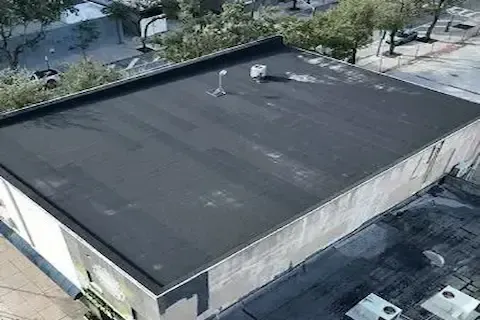
Flat Roof Replacement for Blaine MN Commercial Buildings
Commercial flat roof replacement represents one of the most significant infrastructure investments for Blaine, Minnesota property owners. Unlike residential sloped roofing systems, commercial flat roofs face unique challenges from ponding water, membrane deterioration, and the constant freeze-thaw cycles that characterize Minnesota's climate. Understanding the replacement process, material options, and timing considerations helps property owners make informed decisions that protect their investments and minimize business disruption.
Understanding Flat Roof Replacement Systems
Modern flat roof replacement involves selecting from several membrane systems, each with distinct performance characteristics and cost profiles. EPDM rubber membranes offer proven durability and relatively straightforward installation, making them popular for many Blaine commercial properties. These single-ply systems resist UV damage and temperature fluctuations while providing reliable waterproofing for decades when properly installed.
TPO membranes have gained significant market share in recent years due to their energy efficiency and welded seam construction. The white surface reflects heat, potentially reducing cooling costs during Minnesota's warm summer months. Modified bitumen systems provide multiple layers of protection and work particularly well for buildings with moderate foot traffic or rooftop equipment installations.
Built-up roofing systems, while traditional, still serve specific applications where multiple redundant layers provide maximum protection. These systems work well for buildings with complex drainage requirements or those needing enhanced puncture resistance. The choice between systems depends on building use, budget constraints, and long-term maintenance preferences.
Tear-Off Versus Recover Decisions
Property owners face a critical decision between complete tear-off replacement and recover installation over existing roofing materials. Tear-off replacement removes all existing materials down to the structural deck, allowing inspection of the underlying substrate and ensuring optimal conditions for new membrane installation. This approach costs more initially but provides the longest-term performance and eliminates potential issues hidden beneath old roofing materials.
Recover installations place new roofing materials over existing systems when conditions permit. This approach reduces disposal costs and installation time while minimizing business disruption. However, building codes limit the number of roof layers, and structural capacity must support the additional weight. Moisture trapped between layers can cause premature failure if not properly addressed.
The decision often depends on the existing roof condition, building age, and structural considerations. Buildings with multiple previous recovers typically require tear-off replacement to meet code requirements. Properties experiencing leaks or insulation problems benefit from complete tear-off to address underlying issues comprehensively.
Cost Drivers and Budget Planning
Several factors influence flat roof replacement costs for Blaine commercial properties. Membrane selection represents the most visible cost variable, with premium systems like TPO and EPDM commanding higher material prices than basic modified bitumen installations. However, focusing solely on membrane costs overlooks significant project variables that affect total investment.
Insulation requirements significantly impact project costs, particularly when building codes require upgraded R-values during replacement projects. Minnesota energy codes often mandate higher insulation levels than originally installed, requiring additional materials and labor. The type of insulation selected affects both performance and cost, with polyiso boards offering excellent R-value per inch while cover boards provide additional protection.
Access challenges and building configuration influence labor costs substantially. Properties requiring crane access or complex staging arrangements increase installation expenses. Buildings with numerous penetrations, skylights, or rooftop equipment require more detailed flashing work and membrane customization. Emergency replacement projects typically cost more than planned replacements due to scheduling constraints and potential weather-related complications.
Disposal costs for tear-off projects vary based on existing material types and local disposal regulations. Some older buildings contain materials requiring special handling procedures, increasing removal expenses. Planning replacement projects during favorable weather windows helps control costs and ensures optimal installation conditions.
Timing Considerations for Minnesota Climate
Minnesota's climate creates specific timing considerations for commercial flat roof replacement projects. Spring installations allow contractors to address winter damage while taking advantage of stable weather conditions before summer heat arrives. Many property owners prefer spring timing to ensure new roofing systems are in place before severe weather season begins.
Summer installations offer the longest working days and generally stable weather conditions. However, extreme heat can affect material handling and worker productivity. TPO and EPDM installations perform well in warm weather, while modified bitumen systems may require adjusted application techniques during hot periods.
Fall replacement projects prepare buildings for winter weather while taking advantage of moderate temperatures ideal for most roofing materials. However, shortening daylight hours and potential early weather events require careful scheduling to ensure project completion before adverse conditions arrive.
Winter emergency replacements, while sometimes necessary, present significant challenges and typically cost more than planned installations. Cold weather affects adhesive performance and membrane flexibility, requiring specialized techniques and materials. Planning proactive replacements helps avoid emergency situations and ensures optimal installation conditions. For a phase-by-phase view of how long each stage actually takes on an Anoka County building, see our flat roof replacement timeline.
Common Replacement Mistakes
Many property owners focus exclusively on initial costs when evaluating replacement options, overlooking long-term performance and maintenance requirements. Selecting the least expensive option often results in shorter service life and higher maintenance costs over time. Quality installation by experienced contractors provides better value than low-cost installations that may fail prematurely.
Inadequate drainage planning causes numerous flat roof problems and premature replacement needs. Proper slope design and drain placement prevent ponding water that accelerates membrane deterioration. Upgrading drainage systems during replacement projects prevents future water-related problems and extends roof life significantly.
Ignoring insulation upgrades during replacement projects represents a missed opportunity for energy efficiency improvements and code compliance. Many older buildings have inadequate insulation by current standards, and replacement projects provide cost-effective opportunities for upgrades. Proper vapor barrier installation prevents moisture problems that cause premature roof failure.
Attempting to coordinate replacement projects without professional guidance often leads to scheduling problems and cost overruns. Commercial Flat Roof Replacement requires specialized knowledge of local codes, material compatibility, and installation techniques. Experienced contractors help navigate permit requirements and ensure installations meet manufacturer specifications for warranty coverage.
Local Blaine Considerations
Blaine's location in Anoka County presents specific considerations for commercial flat roof replacement projects. Local building codes may require permits for replacement work, particularly when structural modifications or insulation upgrades accompany membrane replacement. Understanding permit requirements prevents project delays and ensures compliance with local regulations.
The city's proximity to the Twin Cities metropolitan area provides access to experienced commercial roofing contractors and material suppliers. However, competition for quality contractors during peak seasons requires early planning and scheduling. Property owners benefit from establishing relationships with reputable local contractors before replacement needs become urgent.
Anoka County's environmental regulations may affect disposal methods for existing roofing materials. Some materials require special handling or disposal at approved facilities, affecting project costs and scheduling. Planning disposal logistics in advance prevents delays and ensures compliance with local environmental requirements.
Local utility programs sometimes offer rebates or incentives for energy-efficient roofing installations. Cool roof membranes and enhanced insulation may qualify for programs that offset replacement costs. Investigating available incentives before project planning can influence material selection and improve project economics.
Professional Installation Considerations
Successful flat roof replacement requires contractors with specific commercial roofing experience and appropriate licensing for Minnesota work. Manufacturer certifications ensure installers understand proper techniques for specific membrane systems and can provide warranty coverage. Verifying contractor credentials and insurance coverage protects property owners from liability and ensures quality workmanship.
Quality installations include comprehensive flashing details around penetrations, equipment, and roof perimeters. Proper edge details prevent wind uplift and water infiltration that cause premature failures. Experienced contractors understand the importance of proper seaming techniques and quality control procedures throughout installation.
Post-installation services including warranty support and maintenance programs help protect replacement investments. Many contractors offer inspection and maintenance services that identify minor issues before they become major problems. Regular maintenance extends roof life and maintains warranty coverage by addressing problems promptly.
Documentation including installation photos, warranty information, and maintenance recommendations helps property owners manage their roofing investments effectively. Proper documentation supports warranty claims and provides valuable information for future maintenance or replacement planning.
Long-Term Investment Perspective
Commercial flat roof replacement represents a significant capital investment that affects building value and operating costs for many years. Quality installations with appropriate materials provide decades of reliable service when properly maintained. The replacement decision should consider total cost of ownership including energy costs, maintenance requirements, and expected service life.
Property owners who plan replacement projects proactively typically achieve better results and lower costs than those facing emergency situations. Regular roof inspections help identify replacement needs before failures occur, allowing time for proper planning and contractor selection. Emergency replacements often require premium pricing and may not achieve optimal results due to time constraints.
Modern flat roofing systems offer improved performance compared to older installations, providing better energy efficiency, longer service life, and reduced maintenance requirements. Upgrading to current technology during replacement projects positions properties for optimal long-term performance and value retention in Blaine's competitive commercial real estate market.
