Modified Bitumen vs Built-Up Systems for Blaine MN
Commercial property owners in Blaine, Minnesota face a critical decision when selecting flat roofing systems: modified bitumen or built-up roofing (BUR). Both systems have served the Twin Cities market for decades, yet they differ significantly in installation methods, performance characteristics, and long-term value. Understanding these differences helps property managers make informed decisions that align with their building requirements and budget constraints.
System Construction and Materials
Modified bitumen systems consist of factory-manufactured sheets with polymer-enhanced asphalt. These sheets typically include a reinforcement mat made from polyester or fiberglass, providing dimensional stability and tear resistance. The polymer modification improves flexibility and temperature performance compared to traditional asphalt products.
Built-up roofing systems use multiple layers of roofing felt alternated with hot asphalt or coal tar pitch. Traditional BUR construction involves three to five plies, creating a redundant waterproofing membrane. The surfacing options include gravel, mineral granules, or smooth surfaces depending on the specific application requirements.
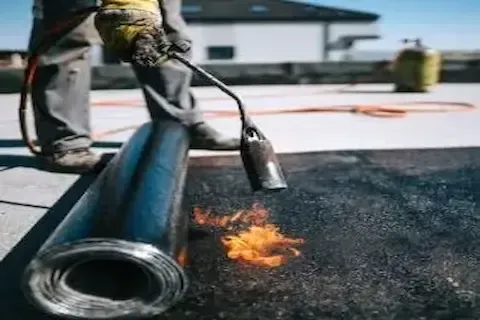
Installation methods distinguish these systems significantly. Modified Bitumen Roofing installation typically uses torch application, cold adhesives, or mechanical fastening. Torch-applied systems require skilled technicians but create strong adhesion between layers. Built-up systems require heated asphalt application, making installation weather-dependent and requiring specialized equipment for hot material handling.
Performance in Anoka County Climate Conditions
Minnesota's climate presents unique challenges for commercial roofing systems. Temperature fluctuations from summer highs exceeding 90°F to winter lows below -20°F stress roofing materials significantly. Modified bitumen's polymer enhancement provides superior flexibility during thermal cycling, reducing crack formation and membrane stress.
Built-up roofing systems handle thermal stress through their multi-layer construction. The redundant layers provide backup protection if individual plies develop minor defects. However, the traditional asphalt in BUR systems becomes more brittle in extreme cold, potentially leading to cracking during rapid temperature changes.
Snow and ice loading affects both systems differently. Modified bitumen's smooth surface facilitates snow shedding and reduces ice dam formation. BUR systems with gravel surfacing provide better traction for maintenance personnel but may retain snow longer, increasing structural loading on the building frame.
Installation Timeline and Weather Dependencies
Project scheduling considerations favor modified bitumen systems in Blaine's variable weather patterns. Modified bitumen installation can proceed in cooler temperatures and light moisture conditions that would halt BUR installation. This flexibility reduces project delays and allows more predictable completion schedules.
Built-up roofing installation requires dry conditions and minimum temperatures for proper asphalt heating and application. Wind conditions also affect hot asphalt application more significantly than modified bitumen installation methods. These weather dependencies can extend project timelines, particularly during Minnesota's shoulder seasons.
Labor requirements differ substantially between systems. Modified bitumen installation typically requires smaller crews and less specialized equipment. BUR installation demands crews experienced in hot asphalt handling and requires kettle operations for material heating, increasing complexity and safety considerations.
Long-Term Durability and Maintenance Requirements
Service life expectations for both systems depend heavily on installation quality and maintenance practices. Well-installed modified bitumen systems typically provide 15-20 years of service in Minnesota conditions. The polymer enhancement helps maintain flexibility throughout the system's lifespan, reducing maintenance requirements compared to traditional materials.
Built-up roofing systems can achieve 20-25 year service lives when properly installed and maintained. The multiple-ply construction provides inherent redundancy that can extend system life even when individual layers experience minor failures. However, maintenance typically requires more specialized knowledge and materials.
Repair procedures favor modified bitumen systems for most property owners. Patch repairs can often be completed with torch application or cold adhesives, requiring minimal equipment and specialized knowledge. BUR repairs may require hot asphalt application, making small repairs more complex and expensive to execute properly.
Inspection and Preventive Maintenance
Both systems benefit from regular inspection schedules, but maintenance approaches differ. Modified bitumen systems require attention to seam integrity and surface condition. Annual inspections should focus on flashings, penetrations, and high-stress areas where the membrane experiences the most movement.
Built-up systems require monitoring of surfacing condition and drainage performance. Gravel displacement, felt exposure, and blister formation indicate potential problems requiring professional attention. For property owners looking to understand system basics, our modified bitumen overview provides additional technical details about installation and maintenance requirements.
Cost Analysis for Anoka County Properties
Initial installation costs generally favor modified bitumen systems due to reduced labor requirements and simpler installation procedures. Material costs between systems are comparable, but installation efficiency makes modified bitumen attractive for budget-conscious projects.
Long-term cost considerations include maintenance expenses, energy performance, and replacement timing. Built-up systems may offer slightly longer service lives but require more specialized maintenance knowledge. Modified bitumen systems provide easier repairs and more flexible maintenance scheduling, potentially reducing total ownership costs.
Energy performance affects operating costs throughout the system's lifespan. Both systems can accommodate various surfacing options to improve reflectivity and thermal performance. White membrane surfaces or reflective coatings can significantly reduce cooling costs during Minnesota's warm summer months. If you are still deciding whether the system fits your building at all, our assessment of whether modified bitumen is a good choice for Anoka County buildings works through the limitations as well as the strengths.
Professional Installation Considerations
Contractor selection proves critical for both systems but particularly important for built-up roofing installation. BUR requires extensive experience with hot asphalt application and multi-ply construction techniques. Modified bitumen installation, while requiring skill, presents fewer variables and safety concerns during application.
Quality control during installation affects long-term performance significantly. Modified bitumen systems provide immediate visual feedback on seam quality and adhesion. BUR systems require experienced inspectors to evaluate ply adhesion, asphalt application rates, and proper layer sequencing during installation.
Warranty considerations often favor modified bitumen systems due to their factory-manufactured consistency and simpler installation procedures. Built-up systems rely more heavily on field workmanship, potentially affecting warranty terms and coverage limitations.
Both modified bitumen and built-up roofing systems serve Anoka County commercial properties effectively when properly designed and installed. Modified bitumen offers installation flexibility, easier maintenance, and predictable performance characteristics. Built-up systems provide proven longevity and redundant waterproofing through their multi-layer construction. The choice depends on specific building requirements, budget considerations, and long-term maintenance capabilities. Professional evaluation of building conditions, climate exposure, and operational requirements guides optimal system selection for each unique commercial roofing project.
