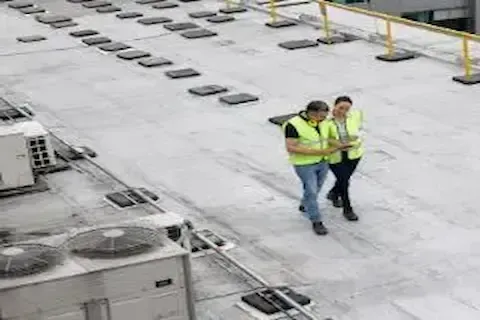
What to Expect in a Blaine Commercial Roof Inspection
A professional commercial roof inspection in Blaine involves a systematic evaluation of your building's roofing system to identify current issues, potential problems, and maintenance needs. Understanding what happens during this process helps you prepare for the inspection and know what to expect from the detailed assessment of your commercial property.
Pre-Inspection Planning and Safety Setup
Your inspection begins before the roofing professionals even step onto your roof. The team will review building plans, previous inspection reports, and any known issues you've documented. They'll establish safety protocols, set up equipment, and coordinate with your facility management to minimize disruption to daily operations.
Professional inspectors arrive with specialized equipment including moisture meters, thermal imaging cameras, core sampling tools, and detailed documentation systems. They'll also bring safety gear and establish secure access points to ensure both inspector safety and protection of your building's interior during the assessment process.
Visual Assessment of Roof Surface Conditions
The surface inspection covers every square foot of your commercial roof, examining membrane conditions, seam integrity, and surface deterioration. Inspectors look for ponding water, debris accumulation, vegetation growth, and signs of foot traffic damage that commonly affect commercial roofing systems in Minnesota's climate.
Professional teams document surface conditions with photographs and detailed notes, creating a comprehensive record of current roof conditions. This visual assessment identifies obvious problem areas while establishing baseline conditions for future reference and maintenance planning.
The inspection includes examination of roof penetrations, HVAC equipment mounting, and any rooftop installations that could compromise membrane integrity. These areas receive special attention since they represent common failure points in commercial roofing systems throughout Anoka County.
Moisture Detection and Thermal Scanning
Advanced moisture detection represents a critical component of modern commercial roof inspections. Thermal imaging cameras identify temperature variations that indicate moisture intrusion, insulation problems, or air leakage issues not visible during surface examination.
Inspectors use electronic moisture meters to test suspicious areas identified through thermal scanning, providing precise moisture content measurements. This technology helps locate problems before they cause visible interior damage or structural issues that require expensive repairs.
The moisture assessment includes evaluation of insulation conditions, deck integrity, and vapor barrier performance. Commercial Roof Inspection protocols ensure comprehensive moisture evaluation throughout your roofing system's components.
Core Sampling Procedures
When moisture detection indicates potential problems, inspectors may perform core sampling to examine roof assembly layers. These samples reveal insulation conditions, membrane adhesion, and structural deck integrity beneath the surface materials.
Core samples provide definitive evidence of moisture penetration depth and help determine repair scope and methodology. Professional teams properly seal core holes immediately after sampling to prevent water intrusion during the assessment process.
Drainage System Evaluation
Comprehensive drain inspection includes testing all roof drains, scuppers, gutters, and downspouts for proper function and adequate capacity. Inspectors check for clogs, damage, and proper sloping that ensures effective water removal from your commercial roof surface.
The drainage assessment examines overflow systems, emergency drainage provisions, and ponding areas that might indicate insufficient drainage capacity. Proper drainage represents a critical factor in commercial roof longevity, especially during Minnesota's heavy rainfall periods and snow melt cycles.
Inspectors evaluate drain hardware, including drain rings, clamps, and membrane attachments that secure waterproofing around these critical penetration points. They also assess proper installation of crickets, saddles, and sloping materials that direct water flow toward drainage points.
Flashing and Penetration Assessment
Every roof penetration receives detailed examination, including HVAC units, vents, pipes, electrical conduits, and structural elements that pass through the roof membrane. Inspectors check flashing conditions, sealant integrity, and proper installation techniques around these vulnerable areas.
The assessment includes examination of expansion joints, parapet walls, and roof edge details where membrane terminations occur. These transition areas commonly develop problems due to building movement, weather exposure, and installation challenges specific to commercial roofing applications.
Professional inspectors document flashing conditions with detailed photographs and measurements, noting any immediate repair needs or preventive maintenance recommendations. This documentation helps prioritize maintenance activities and budget planning for commercial property management in Blaine.
Structural and Safety Considerations
Structural assessment examines roof deck conditions, support systems, and load-bearing capacity for equipment and maintenance access. Inspectors look for signs of deflection, deterioration, or damage that could compromise roof integrity or safety.
The evaluation includes assessment of fall protection systems, walkways, and access provisions required for safe roof maintenance. Professional teams ensure compliance with current safety standards while identifying improvements needed for ongoing maintenance activities.
Inspectors examine roof-mounted equipment for proper installation, adequate clearances, and potential impacts on membrane performance. They assess vibration isolation, drainage around equipment, and access provisions that affect long-term roof system performance.
Documentation and Reporting Process
Professional inspection teams provide comprehensive written reports including photographs, measurements, and detailed findings from every aspect of the roof assessment. Reports include priority rankings for identified issues, helping you plan maintenance and repair activities effectively.
The documentation process includes recommendations for immediate repairs, preventive maintenance schedules, and long-term replacement planning. our inspection walkthrough demonstrates the thorough documentation standards professional teams maintain throughout the inspection process.
Final reports include cost estimates for recommended work, warranty information for existing roof systems, and maintenance guidelines specific to your roof type and local climate conditions. This comprehensive documentation supports informed decision-making for commercial property management throughout Anoka County.
Professional commercial roof inspection in Blaine provides essential information for maintaining your building's protection and managing long-term roofing costs. The systematic approach ensures comprehensive evaluation while providing actionable recommendations for optimal roof performance and longevity. Knowing what happens during the visit is half of it; our guide to how often to inspect Blaine commercial roof systems covers how frequently to schedule one.
