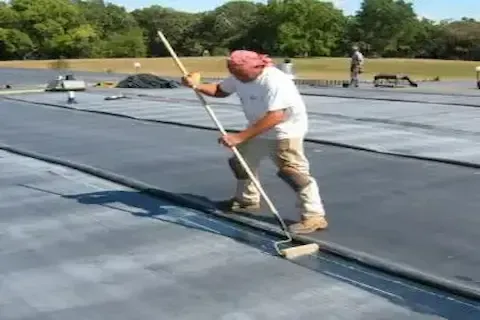
EPDM vs TPO Roof Systems for Anoka County Buildings
Commercial building owners across Anoka County face a critical decision when replacing or installing flat roofing systems. Two membrane options dominate the market: EPDM rubber roofing and TPO thermoplastic systems. Each material offers distinct advantages depending on your building's specific requirements, local climate considerations, and long-term maintenance expectations.
Material Composition and Performance Characteristics
EPDM (Ethylene Propylene Diene Monomer) represents a synthetic rubber membrane that has protected commercial buildings for over five decades. This black membrane typically comes in 45-mil, 60-mil, or 90-mil thicknesses, with the material itself containing carbon black for UV protection. The rubber composition provides exceptional flexibility, even in extreme cold conditions that frequently affect Anoka County buildings during winter months.
TPO (Thermoplastic Polyolefin) emerged as a newer alternative, featuring a white reflective surface that reduces cooling costs during Minnesota's warm summers. This thermoplastic membrane bonds at the molecular level when heat-welded, creating seamless connections between membrane sheets. TPO membranes commonly range from 45-mil to 80-mil thickness, with the white surface reflecting up to 85% of solar radiation.
The fundamental difference lies in seam construction methods. EPDM relies on adhesive-based seaming using specialized tapes and liquid adhesives, while TPO utilizes hot-air welding equipment to create thermally-bonded seams. This distinction significantly impacts both installation procedures and long-term performance expectations for your commercial property.
Cold Weather Performance in Minnesota Climate
Anoka County's harsh winter conditions place unique demands on commercial roofing systems. EPDM rubber maintains flexibility at temperatures as low as -45°F, remaining pliable when TPO membranes become rigid and potentially brittle. This flexibility advantage proves crucial during rapid temperature fluctuations common in Minnesota winters.
TPO membranes can become stiff in extreme cold, potentially leading to membrane cracking around penetrations, corners, or areas with significant building movement. However, quality TPO formulations have improved significantly, with many manufacturers now producing cold-weather-resistant formulations specifically for northern climates.
Thermal expansion and contraction cycles affect both materials differently. EPDM's rubber composition allows for greater movement without stress concentration, while TPO's thermoplastic nature requires careful attention to fastening patterns and membrane relaxation during installation to accommodate thermal cycling.
Installation Methods and Seam Integrity
EPDM installation typically involves three attachment methods: fully adhered, mechanically attached, or ballasted systems. EPDM Roofing Systems excel in retrofit applications where existing roof structures may not support significant additional weight. The adhesive seaming process requires clean, dry conditions and proper surface preparation for optimal results.
TPO installation almost exclusively uses mechanical attachment or fully adhered methods, with heat welding creating the strongest seam connections available in single-ply roofing. Properly executed TPO seams often exceed the membrane's base material strength, providing superior water resistance compared to adhesive-based connections.
Weather sensitivity during installation differs significantly between materials. EPDM adhesives require specific temperature and humidity ranges for proper curing, while TPO heat welding can proceed in broader weather conditions, though wind and precipitation still affect installation quality.
Seam Testing and Quality Control
TPO seam testing uses destructive and non-destructive methods to verify weld quality immediately after installation. Heat-welded seams can be tested using electronic leak detection or probe testing to ensure complete bonding. EPDM seam quality relies primarily on visual inspection and adhesive coverage verification, making quality control more dependent on installer experience and technique.
Long-Term Durability and Maintenance Requirements
EPDM membrane durability stems from its stable rubber chemistry, with many installations exceeding 30-year service lives when properly maintained. The material resists ozone degradation, withstands ponding water, and maintains flexibility throughout its service life. However, EPDM seams represent the primary maintenance concern, as adhesive bonds may require periodic inspection and renewal.
TPO longevity varies significantly based on polymer formulation quality and manufacturing standards. Early TPO products experienced premature degradation, but current formulations demonstrate improved performance. The heat-welded seams typically outlast the base membrane, reducing maintenance requirements around seam areas.
Both materials resist common rooftop chemicals, oils, and biological growth. EPDM shows superior resistance to thermal shock and rapid temperature changes, while TPO provides better resistance to UV degradation due to its reflective white surface and stabilizer packages.
Cost Analysis and Economic Considerations
Initial material costs typically favor EPDM, with rubber membranes generally costing 10-15% less than comparable TPO systems. However, installation labor costs can vary significantly based on local contractor expertise and project complexity. TPO heat welding requires specialized equipment and trained technicians, potentially increasing installation costs in markets with limited TPO experience.
Energy performance creates ongoing cost differences between the two systems. TPO's reflective white surface can reduce cooling costs by 10-20% compared to black EPDM membranes, particularly beneficial for buildings with significant air conditioning loads. This energy savings helps offset higher initial TPO costs over the membrane's service life.
Maintenance costs generally favor TPO due to superior seam integrity, though both systems require regular inspection and preventive maintenance. EPDM seam maintenance may require more frequent attention, while TPO membrane cleaning helps maintain reflectivity and energy performance benefits. For line-item pricing on the EPDM side of that comparison, see our breakdown of EPDM roofing costs in Blaine Minnesota.
Blaine Commercial Roofing Applications
Commercial buildings throughout Blaine and surrounding Anoka County communities present diverse roofing challenges. Retail complexes, office buildings, and industrial facilities each benefit from different membrane characteristics. Manufacturing facilities with equipment-intensive rooftops often prefer EPDM's puncture resistance and repair simplicity, while office buildings seeking energy efficiency may favor TPO's reflective properties.
Building codes and energy requirements increasingly influence membrane selection. Minnesota's climate zone requirements and potential energy rebate programs may favor reflective TPO installations, particularly for new construction or major renovations. However, EPDM remains the preferred choice for many retrofit applications where structural considerations limit membrane options.
For detailed technical specifications and local performance data, consult our EPDM roofing breakdown to understand how rubber membrane systems perform specifically in Minnesota's demanding climate conditions.
Professional Installation Considerations
Contractor selection significantly impacts long-term membrane performance regardless of material choice. EPDM installation requires expertise in adhesive application, surface preparation, and seam construction techniques developed over decades of rubber roofing evolution. TPO installation demands specialized welding equipment, proper heat and pressure settings, and understanding of thermoplastic behavior during installation.
Warranty coverage differs between manufacturers and installation methods. Many EPDM manufacturers offer system warranties when installed by certified contractors using approved methods and materials. TPO warranties often emphasize seam integrity testing and proper welding procedures, with some manufacturers requiring electronic seam testing for warranty validation.
Quality control procedures during installation prove critical for both materials. EPDM projects benefit from environmental monitoring during adhesive application, while TPO installations require seam testing and proper membrane conditioning before final inspection.
