Commercial Roof Maintenance Schedules for Blaine MN
Commercial property owners in Blaine, Minnesota face unique challenges when it comes to roof maintenance scheduling. The harsh winters, intense summer heat, and seasonal precipitation patterns in Anoka County demand a systematic approach to keeping commercial roofs in optimal condition. Your maintenance schedule becomes the foundation for protecting your investment and avoiding costly emergency repairs.
Essential Components of Commercial Roof Maintenance Schedules
Your commercial roof maintenance schedule should encompass multiple inspection intervals and maintenance activities throughout the year. Most Blaine commercial properties benefit from quarterly inspections, with additional seasonal checkups before winter and after major storm events. The schedule typically includes visual inspections, membrane assessments, drainage system evaluations, and structural component reviews.
Monthly maintenance tasks focus on basic upkeep activities you can often handle in-house. These include clearing debris from roof surfaces, checking for obvious damage or wear patterns, and ensuring drainage systems remain unobstructed. Your maintenance team should document any changes or concerns during these routine checks.
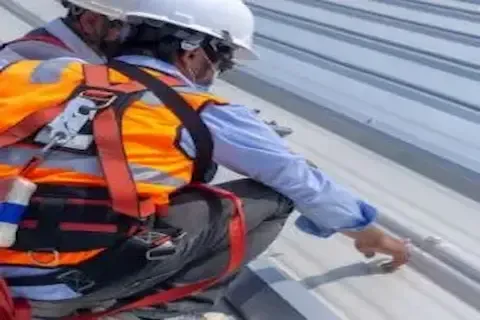
Quarterly professional inspections provide deeper analysis of your roofing system's condition. Certified technicians examine membrane integrity, sealant conditions, flashing performance, and structural elements. They identify potential problems before they escalate into major issues requiring extensive repairs.
Seasonal Maintenance Priorities in Minnesota
Spring maintenance in Blaine focuses on addressing winter damage and preparing your roof for the active building season. Your schedule should include comprehensive drainage cleaning, membrane repairs from freeze-thaw cycles, and structural assessments after snow load stress. This timing allows you to complete necessary repairs before peak business periods.
Summer maintenance emphasizes heat-related concerns and storm preparation. UV exposure, thermal expansion, and severe weather events common in Anoka County require specific attention during these months. Your schedule should include membrane cooling system checks, expansion joint maintenance, and emergency preparedness reviews.
Fall preparation becomes critical for Minnesota commercial properties. Your maintenance schedule must include thorough drainage system cleaning, structural reinforcement checks, and weatherproofing updates. This preparation prevents winter damage and reduces the likelihood of emergency calls during harsh weather periods.
Winter maintenance requires modified approaches due to weather constraints. Your schedule should include accessible inspections, emergency response protocols, and indoor assessments of structural performance. Snow load monitoring becomes essential for properties with aging or marginal structural capacity.
Drainage System Maintenance Scheduling
Drainage maintenance represents one of the most critical aspects of your commercial roof schedule. Blaine's climate patterns create specific challenges for flat and low-slope commercial roofing systems. Your schedule should include monthly drain inspections during active seasons and quarterly deep cleaning services.
Primary drain maintenance involves removing debris, checking drain bodies for damage, and ensuring proper water flow rates. Secondary drainage systems require similar attention, with emphasis on overflow capacity and emergency water removal capabilities. Many Blaine commercial properties benefit from professional drain cleaning services twice annually.
Gutter and downspout maintenance connects directly to your roof drainage schedule. Regular cleaning prevents ice dam formation and ensures proper water management throughout the year. Your maintenance team should coordinate roof and ground-level drainage activities to maximize system performance.
Membrane-Specific Maintenance Requirements
Different roofing membrane types require tailored maintenance schedules. EPDM systems common in Blaine commercial applications need specific cleaning protocols, seam inspections, and ballast management. Your schedule should reflect these membrane-specific requirements to maintain warranty coverage and optimal performance.
TPO and PVC membrane maintenance focuses on heat-welded seam integrity and thermal movement accommodation. These systems require specialized inspection techniques and repair methods. Your maintenance schedule should include professional assessments of welded connections and membrane flexibility.
Modified bitumen systems popular in Anoka County commercial construction need granule loss monitoring, surfacing maintenance, and penetration sealing. Your schedule should account for the specific aging patterns and maintenance requirements of these multi-ply systems.
Documentation and Record-Keeping Systems
Effective maintenance scheduling requires comprehensive documentation systems. Your records should include inspection reports, maintenance activities, repair histories, and warranty tracking. Many Blaine commercial property owners use digital maintenance management systems to streamline record-keeping and scheduling processes.
Photographic documentation provides valuable tracking information for roof condition changes over time. Your maintenance schedule should include systematic photography of key roof areas, allowing you to monitor deterioration patterns and plan future maintenance activities.
Warranty compliance documentation protects your investment and maintains manufacturer coverage. Commercial Roof Maintenance activities must be properly documented to preserve warranty benefits and support insurance claims when necessary.
Cost Management and Budget Planning
Maintenance scheduling directly impacts your annual roofing budget and long-term capital planning. Preventive maintenance typically costs 10-15% of reactive repair expenses, making scheduled maintenance a sound financial strategy for Blaine commercial property owners. Your budget should allocate funds for routine maintenance, seasonal preparations, and emergency reserves.
Seasonal budget allocation helps manage cash flow and ensures adequate resources for necessary maintenance activities. Many commercial properties benefit from establishing maintenance reserves equal to 1-3% of the roof replacement cost annually. This approach provides flexibility for unexpected maintenance needs while maintaining regular service schedules.
Professional maintenance contracts offer predictable costs and guaranteed service levels. These agreements typically include scheduled inspections, routine maintenance activities, and discounted repair services. For many Anoka County commercial properties, professional contracts provide better value than internal maintenance programs. The underlying economics are covered in more depth in our piece on why Blaine commercial buildings need roof care plans.
Emergency Response Integration
Your maintenance schedule should include emergency response protocols and rapid repair capabilities. Blaine's severe weather patterns can create sudden roofing problems requiring immediate attention. Establishing relationships with qualified contractors and maintaining emergency supplies supports quick response when problems occur.
Emergency contact lists should include primary maintenance contractors, specialized repair services, and equipment suppliers. Your schedule should include regular updates to these contact lists and verification of service availability. Many commercial properties benefit from maintaining emergency repair kits and basic supplies on-site.
Insurance coordination becomes important when emergency repairs are necessary. Your maintenance documentation supports claim processing and helps demonstrate proper care of your roofing investment. Regular maintenance records often result in better insurance terms and faster claim resolution.
Performance Monitoring and Schedule Optimization
Regular evaluation of your maintenance schedule effectiveness helps optimize resources and improve roof performance. Tracking repair costs, emergency incidents, and system longevity provides data for schedule adjustments. Many Blaine commercial properties find that increased maintenance frequency reduces overall roofing costs.
Seasonal performance analysis helps identify patterns and optimize maintenance timing. Weather-related damage patterns, system performance data, and maintenance effectiveness measurements guide schedule improvements. Your maintenance program should evolve based on actual roof performance and changing building requirements.
Technology integration enhances maintenance scheduling and performance monitoring. Drone inspections, thermal imaging, and moisture detection technologies provide detailed information for maintenance planning. These tools help identify problems before they become visible through traditional inspection methods.
Professional consultation ensures your maintenance schedule remains current with industry best practices and local requirements. Experienced contractors understand Anoka County's specific challenges and can recommend schedule modifications based on your roof's performance history. Regular professional reviews help you avoid common maintenance mistakes and optimize your investment protection.
Your commercial roof maintenance schedule represents a critical business decision that affects property value, operational costs, and risk management. By understanding the specific requirements for Blaine commercial properties and implementing systematic maintenance approaches, you protect your investment while minimizing unexpected repair expenses. Regular maintenance scheduling, combined with professional expertise and proper documentation, ensures your commercial roofing system delivers maximum value and performance throughout its service life. For detailed information about common repair patterns and costs, review our commercial repair notes to understand how maintenance schedules prevent major problems.
