Commercial Roof Coating Systems for Blaine Minnesota
Understanding Commercial Roof Coating Systems
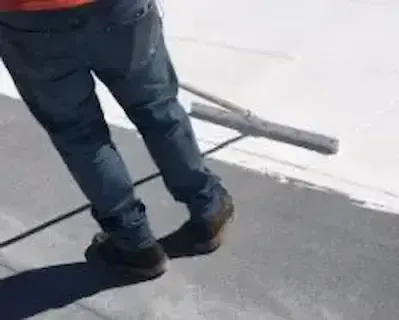
Commercial roof coating systems provide property owners in Blaine, Minnesota with cost-effective solutions to extend roof life, improve energy efficiency, and protect against harsh weather conditions. These liquid-applied membranes create seamless barriers over existing roofing materials, offering superior protection compared to traditional repair methods.
Modern coating systems typically consist of base coats, reinforcement fabrics, and topcoats that work together to create durable, weather-resistant surfaces. The application process involves thorough surface preparation, primer application when necessary, and multiple coating layers applied according to manufacturer specifications.
Property owners throughout Anoka County increasingly choose coating systems because they deliver exceptional value while minimizing business disruption. Unlike complete roof replacement, coating applications can often be completed while buildings remain operational, making them ideal for retail centers, warehouses, and office complexes.
Silicone Coating Systems
Silicone coatings represent the premium option for commercial properties requiring maximum durability and weather resistance. These systems cure to form flexible, rubber-like membranes that maintain elasticity across extreme temperature ranges common in Minnesota climates.
The primary advantage of silicone systems lies in their exceptional resistance to ponding water, UV radiation, and thermal cycling. Properties in Blaine with low-slope roofs particularly benefit from silicone's ability to shed water effectively while resisting damage from standing moisture.
Application requires specialized equipment and experienced contractors familiar with silicone's unique properties. The material has limited adhesion to itself once cured, making proper surface preparation and timing critical for successful installations. Professional Commercial Roof Coating contractors understand these requirements and ensure optimal performance.
Silicone coatings typically last 15-20 years with minimal maintenance, making them cost-effective despite higher initial investment. Their reflective properties reduce cooling costs significantly, particularly valuable for large commercial facilities throughout Anoka County.
Acrylic Coating Applications
Acrylic coatings offer versatility and affordability for commercial properties seeking reliable protection without premium pricing. These water-based systems provide excellent adhesion to various substrates and can be applied over most existing roofing materials.
The breathable nature of acrylic coatings makes them suitable for buildings where moisture vapor transmission is important. They resist cracking and chalking while maintaining good flexibility, though they require more frequent recoating compared to silicone systems.
Property owners appreciate acrylic coatings for their ease of application and repair. Minor damage can be addressed with simple patching procedures, and recoating can extend system life indefinitely when properly maintained. This makes acrylics particularly attractive for budget-conscious property managers.
Color options with acrylic systems allow property owners to customize appearance while achieving energy efficiency goals. White and light-colored formulations provide significant cooling benefits during Minnesota's warm summer months.
Cool Roof Technology Benefits
Cool roof coatings reflect solar radiation and emit absorbed heat more effectively than traditional roofing materials, reducing surface temperatures by 50-80 degrees Fahrenheit. This technology provides substantial benefits for commercial properties in Blaine's climate.
Energy cost reduction represents the most immediate benefit, with cooling load reductions of 10-40% common for properly applied cool roof systems. Large retail centers and warehouses see the greatest savings due to their extensive roof areas and high cooling demands.
Cool roof technology extends beyond energy savings to include improved occupant comfort, reduced HVAC equipment stress, and lower maintenance costs. The urban heat island effect reduction also contributes to community environmental goals throughout Anoka County.
Tax incentives and utility rebates often offset cool roof installation costs, improving project economics significantly. Property owners should investigate available programs before scheduling coating projects to maximize financial benefits.
Application Timing Considerations
Successful coating applications depend heavily on weather conditions, substrate temperatures, and humidity levels. Spring and early fall typically provide optimal conditions in Minnesota, with moderate temperatures and lower humidity supporting proper curing.
Surface preparation requirements vary by substrate and coating type but generally include power washing, repairs, and complete drying. Moisture content must be below manufacturer specifications before coating application begins, which can extend project timelines during wet periods.
Temperature restrictions limit application windows, with most systems requiring minimum temperatures above 45-50 degrees Fahrenheit. This constraint makes late fall and winter applications challenging in Blaine's climate, emphasizing the importance of advance planning.
Project scheduling should account for cure times between coats and before exposure to moisture. Understanding our maintenance program overview helps property owners plan coating applications as part of comprehensive roof care strategies. Summer is the widest reliable window here, and our notes on summer roof coating application timing in Blaine cover the surface-temperature and dew-point limits that still apply inside it.
Return on Investment Analysis
Commercial roof coatings typically deliver payback periods of 2-7 years through energy savings, extended roof life, and reduced maintenance costs. The exact timeframe depends on building characteristics, coating type, and local utility rates.
Energy savings calculations should consider building size, insulation levels, HVAC efficiency, and cooling degree days specific to Blaine's climate. Larger buildings with older HVAC systems generally achieve faster payback periods due to greater cooling load reductions.
Avoided replacement costs significantly impact ROI calculations, as quality coating systems can extend roof life by 10-20 years. This deferral of major capital expenditure provides substantial net present value benefits for property owners.
Maintenance cost reductions result from coatings' seamless, self-flashing properties that eliminate common leak sources. Fewer service calls and repairs reduce ongoing operating expenses while improving tenant satisfaction.
Substrate Compatibility Requirements
Different coating systems exhibit varying compatibility with existing roofing materials, making proper selection critical for long-term performance. Single-ply membranes, modified bitumen, built-up roofs, and metal surfaces each present unique considerations.
EPDM and TPO membranes require specific primers or surface treatments to achieve adequate adhesion with certain coating types. Chlorinated polyethylene (CPE) and polyvinyl chloride (PVC) membranes may need special preparation procedures to ensure coating compatibility.
Modified bitumen and built-up roofing systems generally accept most coating types readily, though surface preparation becomes more critical due to potential contamination from oils and weathering. Granule removal may be necessary for optimal adhesion.
Metal substrates require rust treatment and appropriate primers before coating application. The expansion and contraction characteristics of metal roofing demand coating systems with excellent elongation properties to prevent cracking.
Quality Control and Inspection
Proper quality control during coating application ensures system performance and longevity. Dry film thickness measurements, adhesion testing, and visual inspections verify installation quality at each stage.
Wet film thickness gauges help applicators maintain consistent coverage rates, while dry film measurements confirm adequate thickness after curing. Most coating systems require minimum thickness levels to achieve warranty performance.
Adhesion testing identifies potential bonding issues before they become system failures. Pull tests and knife cuts reveal coating adhesion to substrates and between coating layers, allowing corrective action when necessary.
Documentation requirements include thickness measurements, weather conditions during application, substrate preparation procedures, and material batch numbers. This information supports warranty claims and helps property owners track system performance over time.
Long-Term Performance Expectations
Commercial roof coating systems in Blaine can provide 15-25 years of reliable service when properly selected, applied, and maintained. Performance expectations vary by coating type, application quality, and maintenance practices.
Regular inspections and minor maintenance extend coating life significantly. Annual evaluations should identify potential issues before they compromise system integrity, including coating wear, substrate movement, and penetration concerns.
Recoating schedules depend on coating type and performance requirements but typically occur every 10-15 years for premium systems. Property owners can plan these maintenance cycles to optimize building cash flow and minimize business disruption.
Performance monitoring should track energy consumption, leak incidents, and maintenance costs to quantify coating system benefits. This data supports future coating decisions and validates ROI projections for property stakeholders throughout Anoka County.
