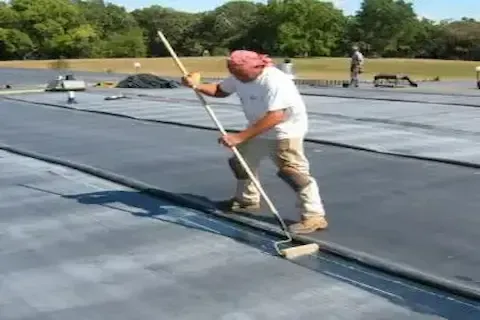
EPDM Winter Performance for Blaine Commercial Roofs
Commercial roofing in Blaine, Minnesota faces some of the harshest seasonal pressure of any climate in the country. From November ice storms to the deep freeze of January and the rapid thaw cycles of March, flat and low-slope roofs carry a significant burden throughout the cold months. EPDM — ethylene propylene diene monomer — has become one of the most trusted membrane options for Anoka County commercial properties precisely because it was engineered to handle these conditions without cracking, splitting, or losing its seal.
How EPDM Performs in Cold Temperatures
Most roofing materials become brittle when temperatures drop below freezing. Asphalt-based products in particular can crack under thermal stress, creating entry points for moisture that compound into serious structural problems. EPDM behaves differently. The rubber compound remains flexible at temperatures as low as -40°F, which means even during Blaine's coldest nights, the membrane continues to move with the building rather than fighting it.
Commercial buildings expand and contract with temperature changes. A membrane that can't flex with that movement will eventually develop microfractures along seams and field areas. EPDM's elasticity is precisely why it holds up where stiffer systems fail. For property owners and facilities managers in Anoka County, this translates to fewer emergency calls during winter and fewer leak investigations in the spring.
Freeze-Thaw Cycling and What It Means for Your Roof
One of the more underappreciated threats to commercial roofs in this region is not a single extreme cold event but the cumulative effect of repeated freeze-thaw cycles. Blaine typically experiences dozens of these transitions throughout the winter season — temperatures rise above freezing during the day, melt sitting snow or ice, and then drop back below 32°F overnight. That water refreezes and expands wherever it has found even a hairline opening.
EPDM handles freeze-thaw cycling well for two reasons. First, the membrane itself has very low water absorption rates, so there is minimal moisture uptake even when the surface is saturated. Second, its flexibility means any expansion from trapped moisture does not create the same shear stress that would compromise a more rigid membrane. That said, seams and flashings are always the most vulnerable points in any system, and regular inspections before and after the winter season remain essential regardless of membrane type.
Snow Load Behavior on EPDM Membrane Systems
Minnesota snowfall accumulations can be significant, and commercial flat roofs in Blaine are designed with local snow load requirements in mind. EPDM does not add meaningful structural weight to the roof assembly, which matters when you are already accounting for insulation layers, ballast where applicable, and the snow itself. A fully adhered or mechanically fastened EPDM system maintains a relatively low profile and does not compromise the structural calculations your building was designed around.
What EPDM does not do is prevent ice dam formation on its own. Proper insulation and ventilation design beneath the membrane are the primary defenses against ice damming on commercial roofs. A well-installed EPDM system over correctly specified insulation helps minimize the thermal bridging that allows ice dams to develop at roof edges and drains. For buildings in Anoka County where roof drainage is critical during spring melt, keeping drains clear and inspecting drain flashings before winter is a practice that pays consistent dividends.
Installation Considerations That Affect Winter Durability
The long-term winter performance of any EPDM system depends significantly on how it was installed. Cold-weather installation introduces specific challenges that an experienced commercial roofing contractor will account for. Adhesive bonding, for example, requires minimum temperature thresholds to cure correctly. Seam welding must be done under controlled conditions to ensure the bond integrity that defines the system's watertight performance.
For EPDM Roofing Systems installed on Blaine commercial properties, the quality of seam work is the single most important factor in winter durability. A properly heat-welded or chemically bonded seam will outlast decades of Minnesota winters. A seam that was rushed, installed outside of acceptable temperature windows, or left with inadequate overlap will become a liability the first time conditions get severe.
Ballasted EPDM systems — where the membrane is held in place by river stone rather than adhesive — require particular attention in winter. The stone can shift with freeze-thaw movement, and heavier snow accumulation can temporarily alter drainage patterns across the membrane surface. Fully adhered systems eliminate some of that variability and tend to perform more predictably under the range of conditions Anoka County delivers.
Common Misconceptions About Rubber Roofing in Winter
There is a persistent belief among some building owners that rubber membranes are susceptible to puncture from snowblower equipment or rooftop foot traffic during winter maintenance. In practice, EPDM is more puncture-resistant than many assume, though no membrane is immune to mechanical damage from sharp objects or concentrated point loads. Establishing clear protocols for any rooftop maintenance — including the use of roof-safe snow removal equipment — protects the membrane regardless of its type.
Another misconception is that black EPDM membranes will absorb too much heat in summer and therefore are not appropriate for energy-conscious buildings. White TPO is often suggested as the alternative. For Blaine's climate, however, heating degree days substantially outnumber cooling degree days across the calendar year. A black membrane that absorbs solar heat during winter months is actually a net benefit in this region's energy balance for many building types. Reviewing our EPDM roofing breakdown provides additional context on system selection and long-term cost factors for Anoka County properties.
Preparing Your EPDM Roof for the Blaine Winter Season
A pre-winter inspection is one of the most cost-effective investments a commercial property owner in Blaine can make. Before the first hard freeze, a qualified contractor should check seam integrity, inspect all flashings at penetrations and perimeter edges, verify that drains are clear and functioning, and identify any areas where the membrane shows signs of lifting, blistering, or separation.
EPDM is a durable system, but it is not maintenance-free. Small seam repairs made in September cost a fraction of what an emergency winter leak response will cost in January. The climate in Anoka County gives your roof no grace period once conditions turn — preparation before the season is the only reliable strategy.
